

Key takeaways
- A calm home desk routine where the whipcord and felt row sort and note order lays the firm ribbed line first, then felt behind it to soften each lean.
A row of notes along the back of a home desk stays readable when each card leans at the same calm angle and keeps its place in line. This guide builds that row on two parallel lines of cloth: a whipcord line in front and a felt line behind it. Whipcord is a hard, smooth twill with a steep, clear diagonal rib, tightly woven and firm under the hand, the cloth long used for riding breeches and work coats. Felt is the soft partner, a plain strip with a giving surface. Together the two lines hold paper upright without clips, pins, or glue.
The order of laying matters, and this guide uses the whipcord-first direction. The whipcord line is laid and finished first, as a complete empty line with nothing resting on it. Because the ribbed cloth is firm, that first line sets the spacing between notes, draws the front edge straight, gives the row its look, and carries the names and the reading order from left to right. Only when the whipcord line stands complete is the felt line added behind it, slipped in to soften each note’s lean, so every note ends up resting across both lines, its foot on the firm rib and its back against the soft felt.
As an Amazon Associate, we earn from qualifying purchases.
How to choose
Begin with the lead line. Whipcord earns the front place in this version because its steep diagonal rib grips the foot of each card and keeps the gaps even. Choose a strip long enough for the full row you plan, with a rib you can feel clearly when you run a finger across it; a vague, flat weave will not hold the spacing. Lay it empty, square the ends, and mark the reading order along it with small penciled names before any felt comes near the desk.
Then choose the felt. A medium strip is best: too thin and it folds under the lean, too thick and it crowds the notes forward. The felt should sit a little higher than the whipcord line so the upper part of each card meets softness while the foot stays on the rib. Cut both strips to the same length so the row reads as one piece of work.
Leave room for the tools that keep the row honest. Pens write the names the lead line carries. Pouches hold spare cards away from the row. A pocket notebook keeps the log of what changed and when. A card case keeps tiny memory cards sorted in the same left-to-right habit. None of these belongs inside the row; each supports it from the side.
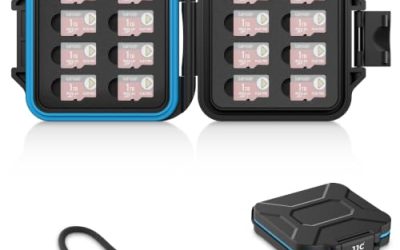
JJC Micro SD Card Case

A desk row for paper notes often sits beside a small pile of digital odds and ends, and micro SD cards are the easiest of them to lose. This case gives those cards the same treatment the whipcord line gives notes: a fixed order, a named place, and no loose pieces rolling around the desk. The case is for storage only, made for micro SD cards. Slotting each card into its own place, in the order the work happened, mirrors the reading order of the note row beside it.
The maker does not state a capacity for this case, so this guide makes no claim about how many cards it holds. Count the slots yourself when the case arrives, write the count in your log, and plan around the real number rather than a guessed one. It is a quiet, narrow tool, and in a routine that values a place for everything, narrow and quiet is a virtue.
Specs
- Product type: Micro SD card storage case
- Use: Storage only, for micro SD cards
- Capacity: Not stated
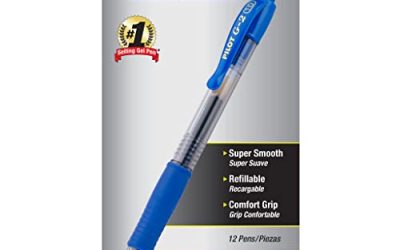
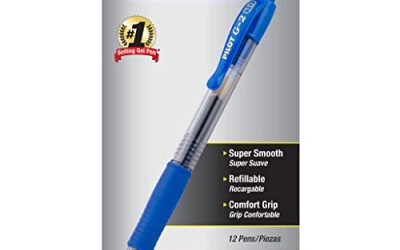
Pilot G2 Pens
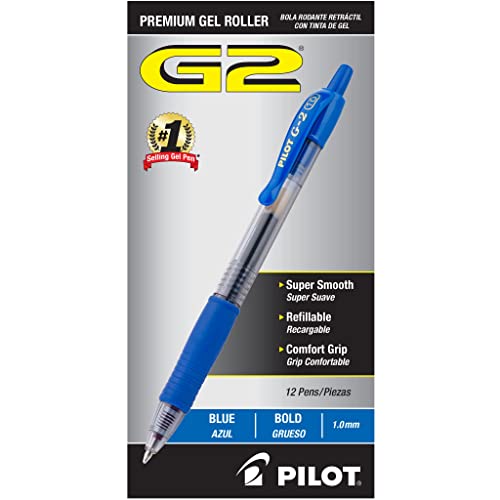
The whipcord line carries the names and the reading order, and those names are only useful if they stay legible week after week. These gel pens are the writing tool of the routine: one pen for the names along the line, the same pen for pouch labels and log entries, so the whole desk speaks in one hand. Gel ink lays down in a clean, dark line that reads well on card and on plain paper, and it suits the small, careful lettering a note row needs. A name written once, clearly, saves many moments of squinting later.
Keep the pen working for the row rather than letting it wander. A pen that lives beside the row, capped and in the same spot, is there when a note changes and a name needs rewriting. When a card moves, cross the old name out with a single line and write the new one beside it; the row keeps its history and its order at the same time. Simple tools, used the same way every day, keep a sorting routine from drifting.
Specs
- Type: Gel pens
- Use: Notes and labels
- Ink: Gel
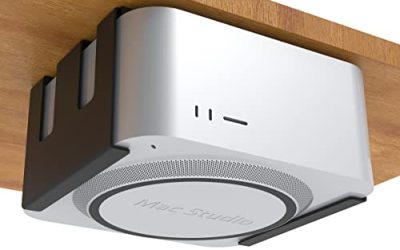
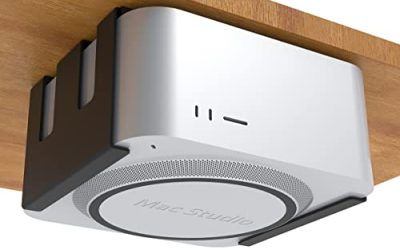
bylitco Mac Studio Desk Mount

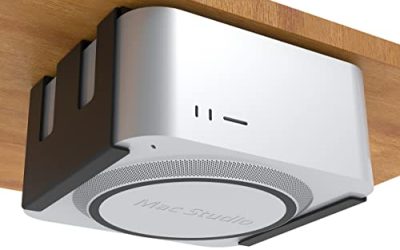
A note row needs a clear stretch of desk, and the machine on that desk often takes up the very space the row wants. This mount lifts a Mac Studio off the desk surface and holds it in a fixed place, freeing the back edge where the whipcord and felt lines run. It is made for Mac Studio only, shaped around that one machine, and this guide treats it exactly that way: it is not a universal mount, and it should not be asked to hold any other computer. Within that single job, a mount brings order: the machine stops drifting and the desk edge stays straight for the row.
Placement is the whole craft here. Set the mount where the machine sits clear of the cloth lines, with air moving around it and the front of the unit easy to reach. A desk with the machine mounted and the row laid has a calm geography: everything heavy is fixed, everything paper is in line, and nothing borrows room from anything else.
Specs
- Product type: Desk mount
- Fit: Made for Mac Studio only
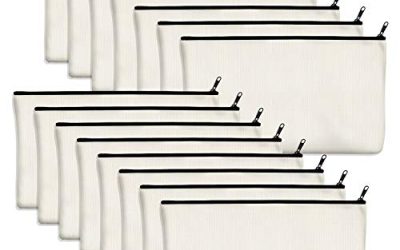
Vantasii Canvas Zipper Pouches
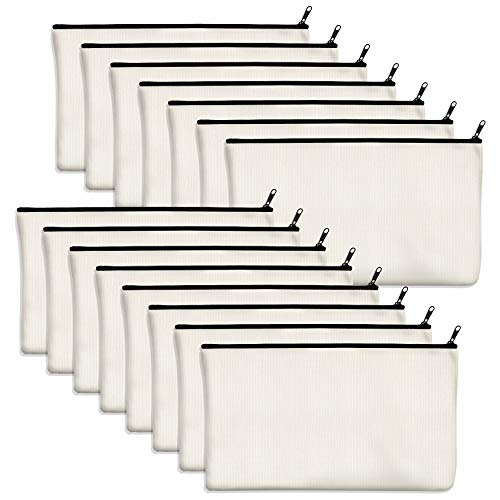
Every row produces spares: blank cards, a ruler, clips, a spare pen, the felt offcuts from trimming the second line. These canvas pouches keep those spares near the desk without letting them spill across it. The pack holds fifteen pouches, enough to give each kind of spare its own home and still have empty ones waiting for the next sort. A zipper closes each pouch fully, so small pieces stay put in a drawer, and the canvas front takes a tucked-in label card that names what is inside.
One limit shapes how the pouches should be used: they are for dry storage only. The canvas is not waterproof, and nothing damp belongs inside one, so a pouch is a home for paper, cloth, and dry tools, never for anything wet from cleaning the desk. Used that way, the pouches extend the logic of the row beyond the row itself. The whipcord line carries the active notes in order; the pouches carry everything that supports the notes, also in order, also named. When a spare is needed, the label says where it is.
Specs
- Pack size: 15 pouches
- Material: Canvas
- Closure: Zipper
- Water resistance: Not waterproof
feela Pocket Notebooks

A row that never changes needs no record, but a working row changes often: a note moves up the order, a name is rewritten, a whole section is cleared and laid again. These pocket notebooks are the log of that movement. The pack holds three notebooks, pocket size, easy to keep in the drawer beside the pouches or standing at the end of the row. Each change gets one line in the log: the date, the note that moved, and its new place. When the row looks wrong a week later, the log says what happened and the order can be rebuilt in minutes.
The notebooks are for logs and lists, the everyday paper memory of the desk. They are never for full passwords; that rule is plain and this guide repeats it without softening. A desk log should be safe to leave in a drawer, and keeping logins out of it is what makes that true. Beyond the log, the notebooks hold sketches of new row layouts and counts of the card case slots. Small and always at hand, the notebook is the quiet partner of the two cloth lines, remembering what the row itself cannot.
Specs
- Pack size: 3 notebooks
- Format: Pocket size
- Use: Logs and lists
- Note: Never for full passwords
FAQ
Which line goes down first in this whipcord-first version?
The whipcord line goes down first, laid and finished as a complete empty line before the felt appears. That is the opposite order from the felt-first version of this routine, where the felt line leads and the whipcord is added behind it. In the felt-first order, the soft line sets a gentle front and the ribbed cloth firms it up afterward. Here, the firm rib leads: it sets the spacing, the front edge, and the reading order, and the felt follows behind to soften the lean. Both orders end with each note resting across two lines, but the lead line does the deciding. A row that needs strict, even gaps belongs on the whipcord-first plan.
Why lay the whipcord line empty before adding the felt?
An empty lead line can be judged on its own. With no notes in the way, you can square the ends, check that the rib runs evenly, and mark the names and reading order along its full length. If the felt went down at the same time, every small correction would mean disturbing two lines at once. Laying the whipcord first also fixes the front edge while the desk is clear, and the felt then slips in behind at the height the lean requires. The extra minutes at the laying stage save repeated fiddling later, because the order is settled before a single note is placed.
How does each note rest across both lines?
Each note stands with its foot on the whipcord line and its back leaning against the felt line behind it. The ribbed front line stops the foot from sliding and keeps the bottom edge in line with its neighbors, while the soft felt cushions the upper part of the card so the lean is gentle and even. The angle is shallow: enough that the note stays put and reads clearly, never so far back that the row looks lazy. Because both lines run the full length of the row, every note gets the same support, at the busy middle or at the quiet ends.
How do you keep the order when a new note joins the row?
Give the new note its place on the whipcord line first, since that line carries the names and the reading order. Slide the neighbors apart at the right gap, write the new name in line with the others, and only then settle the card back onto the felt. Write the change in the notebook log the same day: which note joined, where it stands, and what moved to make room. If several notes join at once, pencil all the new names along the empty stretch of lead line before placing any cards. The order is decided on the line, not improvised among the cards.
Final verdict
The whipcord-first order suits a home desk that values firm structure. The ribbed line leads, empty and complete, fixing the spacing, the front edge, and the reading order; the felt follows, softening every lean. Around that frame, the supporting tools each do one job well: a case that keeps tiny cards in order, gel pens that keep names legible, a mount that frees the desk edge by holding one machine and no other, pouches that keep dry spares named and out of the way, and notebooks that remember every change. Lay the lead line with care, log what you do, and the row will hold its order through months of use.
Product and ASIN Reference
| Product | ASIN |
|---|---|
| JJC Micro SD Card Case | B0B76BDXN8 |
| Pilot G2 Pens | B001AQPQBQ |
| bylitco Mac Studio Desk Mount | B0BL2XT3DJ |
| Vantasii Canvas Zipper Pouches | B08CMQ6QG4 |
| feela Pocket Notebooks | B0BG4MFCZC |
More from Amazon
Programs that pair well with the guide above. Offers and eligibility are set by Amazon and may change.
Free shipping on eligible items, Prime Video and more. Eligible new members can start with a free trial.
Start a Prime free trialAd-free music streaming. Eligible new subscribers can start with a free trial.
Try Music Unlimited freeA Prime membership for ages 18-24 with a trial period. Eligibility is set by Amazon.
See Prime for Young AdultsAudiobooks and podcasts to listen to on the go. Eligible new members can start with a free trial.
Try Audible freeAs an Amazon Associate we earn from qualifying purchases.

Write Your Review
No reviews yet. Be the first to share your experience!