

Key takeaways
- A felt and etamine row sort and note routine for a home desk: lay the felt line first, add the airy etamine behind it, and keep every note in clear order.
This guide sets out a calm way to sort notes on a home desk using two parallel fabric lines. The front line is a soft strip of felt. Behind it sits a second line of etamine, a very light fabric with a loose, open weave and a soft, airy hand — hold it up and the weave is open enough to see through faintly. The routine runs in a fixed order. The felt line is laid and finished first, as a complete empty line: it sets the spacing along the desk, fixes the front edge, gives the row its look, and carries the names and the reading order. Only when that line is complete does the etamine line join it. Each note then rests across both lines, its front edge on the felt and its back leaning into the etamine behind.
The etamine line is added behind the felt line to soften each note’s lean. Felt alone gives a note a firm front edge, but a tall card can tip or slide; the open weave behind it cushions the back of each note and holds the lean at a gentle angle, so a whole row reads like a shelf of small signs. This desk opener covers the felt-first direction: felt first, etamine second, every time. A separate etamine pair exists on the office line, and this article is the desk line’s own opener, with its own routine. The pages that follow explain how to choose the pieces, lay the felt line well, add the etamine behind it, and keep the row in order with a handful of desk items picked for this job.
As an Amazon Associate, we earn from qualifying purchases.
How to choose
Begin with the felt line, because everything else follows from it. Lay the strip along the front of the desk where the row will live, and finish it as a complete empty line before any note goes down: smooth it flat, set the front edge straight, and decide the spacing — how much room each note gets and how wide the gaps between notes run. Write the names and the reading order on the line’s plan at this stage, even before the notes themselves are written, because the felt line carries that order for the whole row.
Choose felt with a firm, even surface. A strip that curls at the edges or thins in patches will fight the front edge you are trying to keep straight. The etamine comes second. Pick a piece with an open, even weave and a soft hand; a stiff or scratchy length will push against the notes instead of cushioning them. Lay it behind the felt, close enough that a note leaning back meets it at once, with a small gap so the two lines stay distinct.
Match the notes to the lines. Cards and stiff paper rest across both lines best; thin sheets curl and are better kept in a pouch. Keep the heaviest notes near the middle of the row, where both lines support them evenly, and leave the ends for light items. Once the lines are laid, add the desk items in this guide: a mount to clear the surface, notebooks for the plan, pens for names and labels, a case for loose cards, and pouches for everything else.
feela Pocket Notebooks

The feela Pocket Notebooks suit the planning side of this routine. Each pack holds three pocket size notebooks, small enough to sit beside the row without crowding the desk. Use one book for the row itself: sketch the felt line, mark the spacing you settled on, and write the reading order of the notes in a plain list. A second book can hold running lists — pages to file, names to copy onto fresh notes, and the small jobs that gather around a home desk. The third book stays spare, ready when the first fills up. The paper takes pen well for everyday writing, and the pocket format means the book travels from desk to shelf without fuss. Keep the books for logs and lists only. They are not a place for full passwords, and this guide treats them as open working notes that anyone at the desk might read. A notebook kept beside the row also guards the routine: when a note moves, a quick line in the book records where it went, so the order along the felt line stays easy to rebuild after a busy day.
Specs
- Pack size: 3 notebooks
- Format: Pocket size
- Use: Logs and lists
- Note: Never for full passwords
bylitco Mac Studio Desk Mount

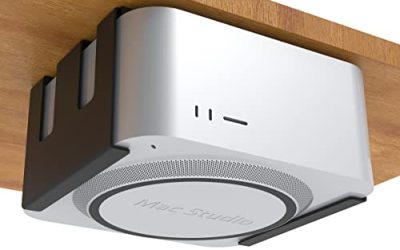
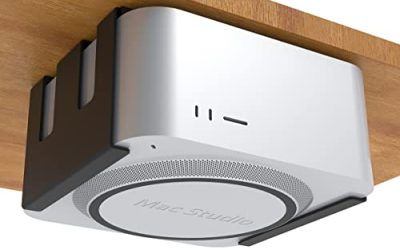
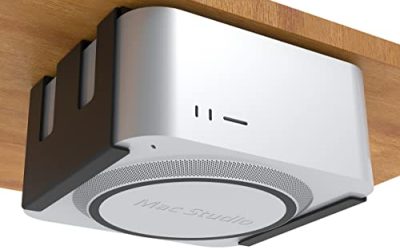
The bylitco Mac Studio Desk Mount earns its place by giving the row a clear run of desk. It lifts a Mac Studio off the surface and holds it in a fixed spot, which frees the front area where the felt line and the etamine line sit. A clear surface matters for this routine, because the lines are laid by eye and hand, and stray gear pushes notes out of their order. The mount is made for Mac Studio only. It is shaped around that one machine, and this guide does not present it as a universal holder for other computers — if your desk runs a different machine, this mount is not the pick, and the row routine works the same with the desk cleared by other means. With the machine raised and settled, the area in front stays open for the two fabric lines, the notebooks, and the working notes themselves. The mount also keeps the desk edge tidy: cables and the machine sit in one known place, so the front edge that the felt line follows stays straight and easy to read at a glance.
Specs
- Type: Desk mount
- Fit: Made for Mac Studio only
Pilot G2 Pens

Pilot G2 Pens handle the writing this routine runs on. Every note along the row carries a name, and the reading order only works when those names stay clear and easy to scan. Gel ink lays down a smooth, dark line that reads well on small cards and labels, and it dries into a tidy finish that suits short headings and quick lists. Keep one pen at the desk for the notes themselves and a second for the labels on pouches and notebook covers, so the two jobs never blur. The pens write in a consistent line without skipping, which matters when a heading has to fit a narrow card. For this guide the pens stay in two roles: notes and labels. They are not art tools and not markers for fabric — the felt and etamine lines carry no writing at all, and ink belongs on the paper that rests across them. A pen that lives beside the row also makes the daily habit simple: when a new note joins the line, its name goes on at once, in the same clear hand as the rest.
Specs
- Type: Gel pens
- Use: Notes and labels
- Ink: Gel
JJC Micro SD Card Case

The JJC Micro SD Card Case looks after the small cards that gather around a home desk. It is a storage case for micro SD cards and nothing more: cards slip into their slots, the case closes, and the whole thing sits in a drawer or pouch where the cards stay together instead of loose in a tray. The maker does not state a capacity for this case, so this guide makes no claim about how many cards it holds — judge it by the slots you can see and the cards you own. That plain approach suits the row routine, where every item at the desk has one clear job. The case earns its spot because loose cards are easy to knock, mix up, or lose under the fabric lines, and a closed case keeps them apart from the notes and paper. Label the case once, keep it in the same place each day, and the cards stay part of the desk order rather than clutter across it. It is a storage item only, not a reader and not a drive, and it does no work beyond holding cards safely in one place.
Specs
- Product type: Micro SD card storage case
- Use: Storage only, for micro SD cards
- Capacity: Not stated
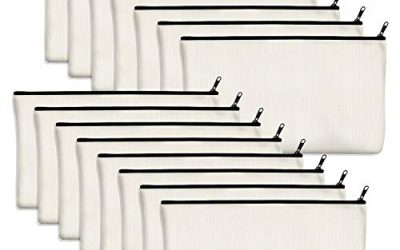
Vantasii Canvas Zipper Pouches
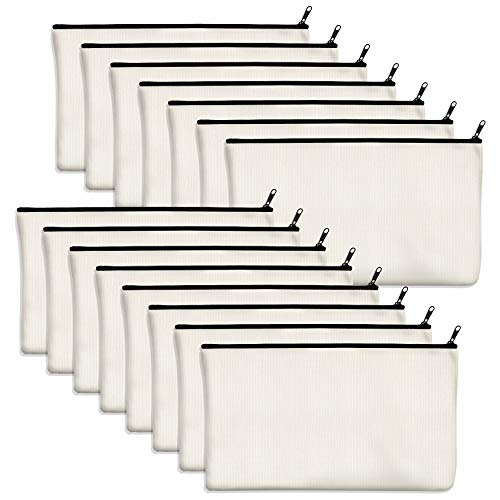
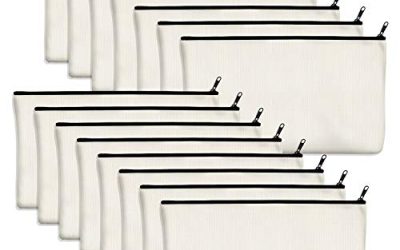
The Vantasii Canvas Zipper Pouches give the row a home for everything that is not a note. The pack holds fifteen canvas pouches with zipper closures, enough to sort the small gear of a home desk into clear groups: pens in one, cards in another, labels and spare paper in a third. Canvas is sturdy for daily handling, and the zipper keeps the contents in place when a pouch moves from desk to drawer. These pouches are for dry storage only. The canvas is not waterproof, and this guide never treats it as protection against spills or damp — keep liquids away from the pouches and let the fabric lines stay dry as well. Within the routine, pouches sit behind or beside the row, never on it, so the felt and etamine lines stay clear for the notes themselves. A labeled pouch for each group also keeps the reading order honest: when a note leaves the line, its pouch is the known place it waits, and bringing it back takes a moment. Fifteen pouches is a generous count for one desk, and the spares fold flat until they are needed.
Specs
- Pack size: 15 pouches
- Material: Canvas
- Closure: Zipper
- Water resistance: Not waterproof
FAQ
Why is the felt line laid before the etamine line?
Because the felt line sets everything the row depends on: the spacing, the front edge, the look, and the names with their reading order. Laying it first, as a complete empty line, gives the row a fixed frame. The etamine line then has one simple job — to sit behind the felt and soften the lean of notes whose order is already settled.
How does a note rest across both lines?
The front edge of the note sits on the felt line, and the back of the note leans into the etamine line behind it. The felt holds the note’s place in the reading order, while the soft open weave cushions the lean, so the note stands at a gentle angle instead of lying flat or tipping forward.
Can I lay the etamine line first instead?
You can, but that is the other direction of the pair, and it changes the routine: the etamine would set the frame and the felt would follow. This guide covers the felt-first direction for the desk line. Whichever direction you choose, keep it the same every time, so the row is rebuilt the same way after any tidy-up.
How do I keep the row in order day to day?
Write each note’s name as it joins the row, keep the plan in a notebook beside the lines, and return moved notes to their place at the end of the day. Pouches hold the items that are off the row, so nothing loose gathers along the felt edge and pushes the notes out of their order.
Final verdict
For a home desk that gathers loose notes, the felt and etamine row gives those notes a calm, visible order. The felt line does the framing work — spacing, front edge, look, names, and reading order — and it is laid first and finished as a complete empty line. The etamine line follows behind it, softening the lean of every note that rests across both. The five items in this guide support that routine without crowding it: notebooks hold the plan, the mount clears the surface, the pens keep names clear, the card case gathers loose cards, and the pouches hold everything else. Set the lines once, keep the order written down, and the row stays easy to read and simple to rebuild.
Product and ASIN Reference
| Product | ASIN |
|---|---|
| feela Pocket Notebooks | B0BG4MFCZC |
| bylitco Mac Studio Desk Mount | B0BL2XT3DJ |
| Pilot G2 Pens | B001AQPQBQ |
| JJC Micro SD Card Case | B0B76BDXN8 |
| Vantasii Canvas Zipper Pouches | B08CMQ6QG4 |
More from Amazon
Programs that pair well with the guide above. Offers and eligibility are set by Amazon and may change.
Free shipping on eligible items, Prime Video and more. Eligible new members can start with a free trial.
Start a Prime free trialAd-free music streaming. Eligible new subscribers can start with a free trial.
Try Music Unlimited freeA Prime membership for ages 18-24 with a trial period. Eligibility is set by Amazon.
See Prime for Young AdultsAudiobooks and podcasts to listen to on the go. Eligible new members can start with a free trial.
Try Audible freeAs an Amazon Associate we earn from qualifying purchases.


Write Your Review
No reviews yet. Be the first to share your experience!