

Key takeaways
- A home desk routine for serge and felt row sort and note work, with the firm serge line laid first, the soft felt line behind, and picks for daily notes.
A home desk can hold a surprising amount of paper in calm order when sorting happens on two parallel fabric lines. The front line is serge, a sturdy twill weave with a smooth face and a faint diagonal line running through it, firm enough to hold a crisp edge all day. The back line is a soft strip of felt. Notes rest across both lines at once, standing in a row that can be read at a glance, with each note leaning gently against the felt while its foot sits on the serge. This guide covers the serge-first build of that routine, with the small set of desk picks that support it.
This article is the mate that completes the serge pair on this desk line. A companion guide built the same row felt-first; here the order is flipped. The serge line is laid and finished first, as a complete empty line. That line sets the spacing, the front edge and the look of the row, and it carries the names and the reading order. Only when the serge line is complete is the felt line added behind it, purely to soften each note’s lean. Each note then rests across both lines, held by the firm front and cushioned by the soft back.
As an Amazon Associate, we earn from qualifying purchases.
How to choose
Begin with the serge itself. A good serge for the front line is a firm twill with a smooth face, heavy enough to lie flat without curling, and wide enough for the foot of a note card. Run the faint diagonal line of the weave the same way along the whole strip, and the front edge reads as one clean line. Lay the serge first and finish it fully, ends squared and settled flat, before anything else joins the desk.
Measure the strip against the desk, not the paper. The serge line should run a little shorter than the desk is wide, leaving clear surface at each end for a pen cup and a stack of blank cards. Spacing is set on the serge: decide how far apart the notes will stand, mark the places lightly, and keep that rhythm for the life of the row. Names go on the serge line too, written on small cards that sit at the foot of each place, so the order can be scanned without touching a note.
Choose felt that is soft, even, and a touch narrower than the serge strip. It goes in second, behind the serge, close enough that a note leaning back meets it at once. Notes should rest across both lines, never balanced on one alone. Pick pens, pouches, and storage that serve the row without crowding it, and keep spares off the lines.
Pilot G2 Pens

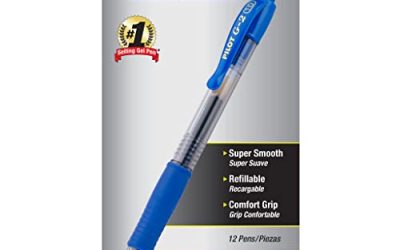
A sorting line only works if the names on it are easy to read, and the Pilot G2 is the pen that keeps those names clear. The gel ink lays down a smooth, dark line that dries fast enough for quick labels, so a name card written in the morning still looks crisp when the desk is busy in the afternoon. For this routine the pens live in a small cup at the right end of the serge line, one in use and one spare. Each note that joins the row gets a short heading, written once and left alone, and the pen’s fine, even stroke keeps small writing legible. The barrel is plain and light, with a grip that stays comfortable through a long run of relabeling when a project changes shape. What matters here is a pen that writes the same way every time it is picked up, with no scratchy skips across the card. Keep two on the desk, cap them when the row is settled, and the naming side of the routine stays calm, tidy, and easy to scan.
Specs
- Type: Gel pens
- Use: Notes and labels
- Ink: Gel
Vantasii Canvas Zipper Pouches
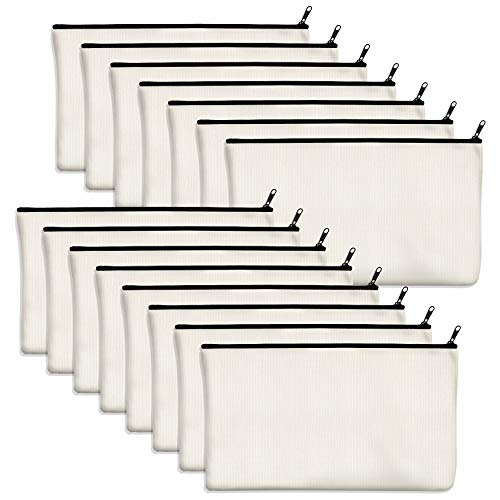
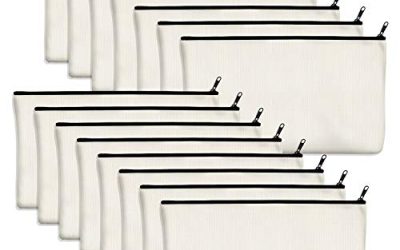
Loose bits gather fast around a two-line desk row: spare name cards, paper clips, a folded list, the small tools used to trim a note to size. The Vantasii pouches give those bits a home that sits beside the row rather than on it. The pack holds fifteen canvas pouches, each closed with a zipper, so one pouch holds blank cards, another the clips and pins, and a third the offcuts worth saving. Canvas has a soft, matte feel that sits quietly next to serge and felt, and the pouches stack flat in a drawer when the desk needs a clear run. One rule matters and is worth saying plainly: these pouches are for dry storage only, and they are not waterproof, so a pouch belongs on the desk or in a drawer, never under a mug or beside a sink. Used that way, they keep the two lines empty, which is the whole point of the routine. The serge line carries names and order, the felt line softens the lean, and everything else waits in a pouch until it is called for. A calm row begins with clear surfaces, and these pouches do that quiet work well.
Specs
- Pack size: 15 pouches
- Material: Canvas
- Closure: Zipper
- Water resistance: Not waterproof
JJC Micro SD Card Case

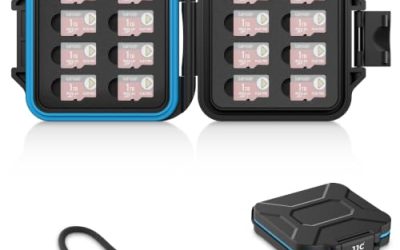
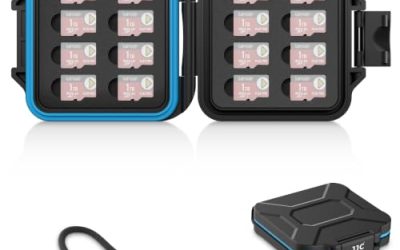
Many home desks hold a small camera or a voice recorder, and the tiny cards from those devices are easy to lose among paper notes. The JJC case gives micro SD cards a single, fixed place that stays separate from the sorting row. It is a storage case only, made for micro SD cards, and it earns its spot by keeping loose cards out of the serge and felt lines, where a card could slip under a note and vanish. The case sits in the same drawer as the pouches, closed and out of the way. One point of honesty matters here: the maker does not state a capacity for this case, so this guide makes no claim about how many cards it holds. It is simply a small, purpose-built home for the cards a household uses. Treat it as part of the wider desk order rather than part of the row itself. When a card comes out of a camera, it goes in the case; when a note about that card is needed, the note joins the row and the card stays stored. Paper in the lines, cards in the case, nothing mixed.
Specs
- Product type: Micro SD card storage case
- Use: Storage only, for micro SD cards
- Capacity: Not stated
feela Pocket Notebooks

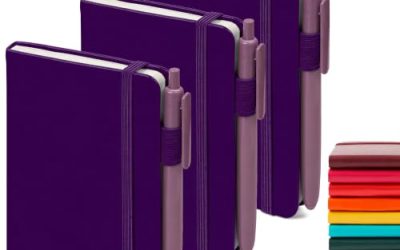
The row shows the order of the day, but the reasoning behind that order needs a home, and that home is a pocket notebook. The feela pack holds three small notebooks, sized for a pocket or the top drawer, and they suit the written side of this routine: lists of what waits to join the row, logs of what left it, and quick notes taken at the desk. One book can track the front serge line, one can track the felt line, and the third can hold loose ideas that have no place in either line yet. The pages take pen well, the covers shrug off daily handling, and the small size keeps the books from crowding the lines. One firm rule comes with them: these notebooks are for logs and lists, and never for full passwords, which belong in a proper password manager rather than on paper at a desk. Kept to that rule, the books are a safe, simple record. At the end of a week, the log shows how the row changed, which names moved up, and which notes were retired, and that history makes the next round of sorting faster.
Specs
- Pack size: 3 notebooks
- Format: Pocket size
- Use: Logs and lists
- Note: Never for full passwords
bylitco Mac Studio Desk Mount

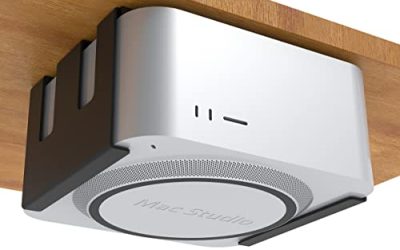
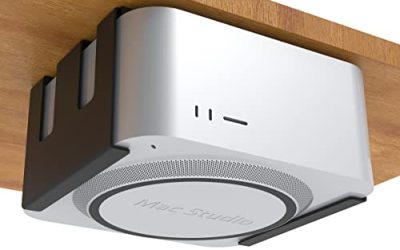
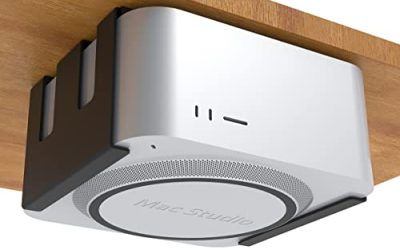
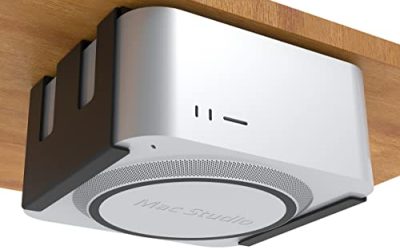
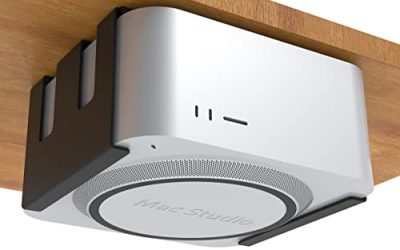
A two-line row needs open desk room, and a computer that sits flat on the desk can eat the very space the lines need. The bylitco mount lifts a Mac Studio off the surface and holds it under or beside the desk, freeing a clean stretch of top where the serge and felt lines can run without a break. The mount is a solid, plain piece of hardware with a single job: the machine stays put, the cables fall behind the desk, and the front edge stays clear for the row. The fit point is narrow and must be said plainly: this mount is made for Mac Studio only, and it is not a universal mount for other machines, so it belongs in this guide only for desks where a Mac Studio is the computer in use. For those desks, the gain is real: a full, unbroken run of desk for the serge line, the felt line behind it, and the notes resting across both. For any other computer, skip this pick and keep the row shorter; the routine still works, just on a smaller stretch of desk.
Specs
- Type: Desk mount
- Fit: Made for Mac Studio only
FAQ
Why is the serge line laid first in this version of the row?
Because serge is the firm line, and a firm line holds decisions well. Laid first and finished as a complete empty line, the serge sets the spacing, the front edge and the look of the row, and it carries the names and the reading order. The felt line then has only one job, softening the lean of each note, and it can be placed to match a row that is settled. Serge-first suits anyone who likes the structure fixed before the soft parts arrive.
Can the felt line go in front and the serge behind it?
It can, and the companion guide on this desk line does exactly that, but the feel of the row changes. With serge in front, the front edge stays crisp and the names sit on the firm line, where they are easy to read. With felt in front, the edge is softer and the row looks gentler, though the front line needs more tidying. Pick the order that matches how the desk is used, and keep that order once it is chosen.
How do the notes stay evenly spaced on the two lines?
The spacing is decided on the serge line before any note is placed. Mark each place lightly along the serge, set a name card at the foot of each mark, and then rest each note across both lines at its mark. The felt line follows the same rhythm, so each note leans back the same amount as its neighbors. If a note drifts, lift it and reset it at its mark rather than nudging the whole row, and the rhythm holds.
What should never be placed on the serge or felt lines?
Only notes and their name cards belong on the lines. Pens, pouches, card cases, mugs, and loose clips all live beside the row, in a drawer, or at the back of the desk. The lines stay clear so the front edge can be read at a glance and each note can be lifted out without moving anything else. A clear line is the whole habit; everything else on the desk is arranged to protect it.
Final verdict
The serge-first build is the firmer, crisper way to run this two-line desk row. Serge goes down first, finished as a complete empty line that sets the spacing, the front edge, the look, and the names in reading order; felt follows behind it, easing each note’s lean as every note rests across both lines. The supporting picks each guard that order in a small way: clear pens for the names, pouches that keep loose bits off the lines, a case that keeps tiny cards out of the paper, notebooks that hold the logs and lists, and a mount that frees desk room for Mac Studio desks. Build the serge line, add the felt behind it, and the row will read calmly from the first note to the last.
Product and ASIN Reference
| Product | ASIN |
|---|---|
| Pilot G2 Pens | B001AQPQBQ |
| Vantasii Canvas Zipper Pouches | B08CMQ6QG4 |
| JJC Micro SD Card Case | B0B76BDXN8 |
| feela Pocket Notebooks | B0BG4MFCZC |
| bylitco Mac Studio Desk Mount | B0BL2XT3DJ |
More from Amazon
Programs that pair well with the guide above. Offers and eligibility are set by Amazon and may change.
Free shipping on eligible items, Prime Video and more. Eligible new members can start with a free trial.
Start a Prime free trialAd-free music streaming. Eligible new subscribers can start with a free trial.
Try Music Unlimited freeA Prime membership for ages 18-24 with a trial period. Eligibility is set by Amazon.
See Prime for Young AdultsAudiobooks and podcasts to listen to on the go. Eligible new members can start with a free trial.
Try Audible freeAs an Amazon Associate we earn from qualifying purchases.
Write Your Review
No reviews yet. Be the first to share your experience!