

Key takeaways
- A felt and chambray row sort and note guide for home desks: lay the felt line first, add the chambray line behind, and rest each note across both lines.
A tidy desk row can be built from two plain cloth lines laid side by side. The front line is a soft strip of felt, and the back line is a strip of chambray, a light plain-weave cotton with a smooth, even face. It is woven with a colored lengthwise yarn and a white crosswise yarn, so the cloth reads as a soft mottled blue-gray, the same cloth long used for work shirts. Notes, cards, and paper pieces lean along the pair of lines, each one resting across both, so a row of reminders stays upright and easy to read.
This guide opens the chambray pair in the felt-first direction, and the order matters. The felt line is laid and finished first, as a complete empty line running the full width of the sorting area. That empty felt line sets the spacing between notes, the front edge of the row, and the overall look of the desk. It also carries the names and the reading order. Only when the felt line is fully in place is the chambray line added behind it, to soften each note’s lean. Every note then rests across both lines, resting between soft felt in front and smooth chambray behind.
As an Amazon Associate, we earn from qualifying purchases.
How to choose
Begin with the felt, because in this arrangement the felt line leads and the chambray line follows. Choose a felt strip long enough to cover the full sorting width in one piece, thick enough to hold a firm edge without curling. A strip that is too thin will fold under leaning cards, while a very thick one pushes the front edge forward and crowds the work area. Lay it flat, smooth it once with a palm, and leave it empty while you judge the spacing. The gaps between future notes are decided now, at this empty stage, so picture how many notes the row must hold on a busy day.
The chambray line comes second. Pick a strip cut from light plain-weave cotton with an even surface and no raised pattern, since a smooth face lets paper slide into place cleanly. Cut the chambray the same length as the felt, set it a finger’s width behind, and keep the two lines parallel from end to end. If the back line drifts closer at one end, the notes there lean at a different angle and the row loses its even rhythm.
Think about the notes themselves as well. Thin paper leans softly and suits a narrow gap, while stiff cards stand with a firmer lean and need the back line a touch farther behind. Match the gap to the paper you sort most often. Finally, keep a few simple tools within reach: pens for fresh notes and labels, small pouches for loose pieces, and a pocket notebook for the running list of what the row holds. A row only earns its place when adding a note is quicker than piling paper in a heap.
Pilot G2 Pens

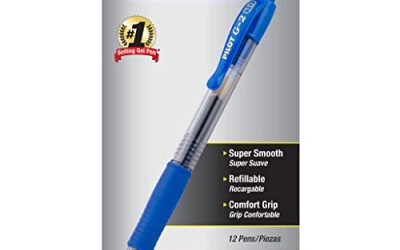
Every note in the row begins with a pen, and the Pilot G2 is the kind of everyday gel pen that suits this job well. The gel ink lays down a smooth, dark line that stays readable on small cards and narrow labels, which matters when a note must be read at a glance from a chair. A fine, even line keeps handwriting compact, so a short reminder fits on small paper without crowding. For a sorting row, that neatness matters: the felt line carries the reading order, and clear writing makes that order worth following.
Keep one pen at the end of the row and a spare in a pouch nearby. When a thought needs capturing, the note can be written, labeled, and leaned into place in one motion. Gel ink dries quickly on plain paper, so a fresh note can be handled and slotted between its neighbors without smearing the words. The pen also serves the labels on pouches and notebook covers, keeping the whole system in the same clear hand. It is a simple tool, but the row depends on it daily, since an unwritten note is just another loose sheet.
Specs
- Type: Gel pens
- Use: Notes and labels
- Ink: Gel
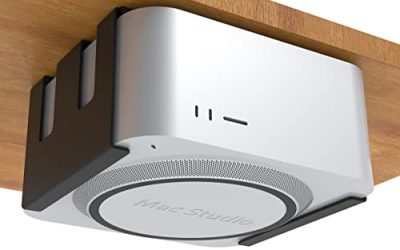
bylitco Mac Studio Desk Mount

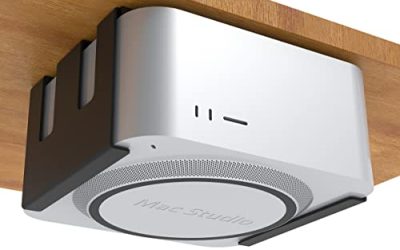
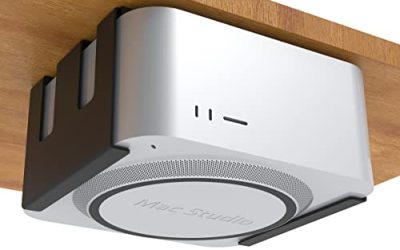
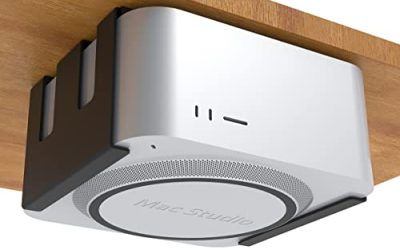
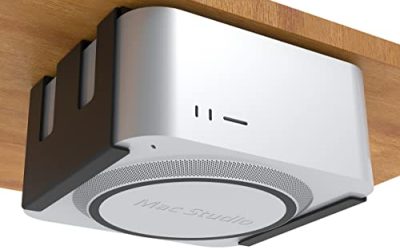
A sorting row works best when the desk surface around it stays clear, and that is where a mount earns its place. The bylitco mount is made for the Mac Studio only, holding that machine in a fixed spot so it no longer eats into the area where the lines run. With the computer lifted into its mount, the desk edge stays free for the row, and cables can be guided away from the paper instead of trailing across it.
Be clear about the fit before anything else: this mount is made for Mac Studio only. It is not a universal mount, and it should not be treated as one. If your desk holds a different machine, this is not the mount for it, and the row plan should be built around another way of clearing space. For a desk that does run a Mac Studio, the mount gives the sorting row a settled home. The machine stays put, the lines stay put, and the front edge of the felt remains the reference point for every note. That steadiness matters in a system built on reading order, because the row only works when nothing shifts it between uses.
Specs
- Type: Desk mount
- Fit: Made for Mac Studio only
Vantasii Canvas Zipper Pouches
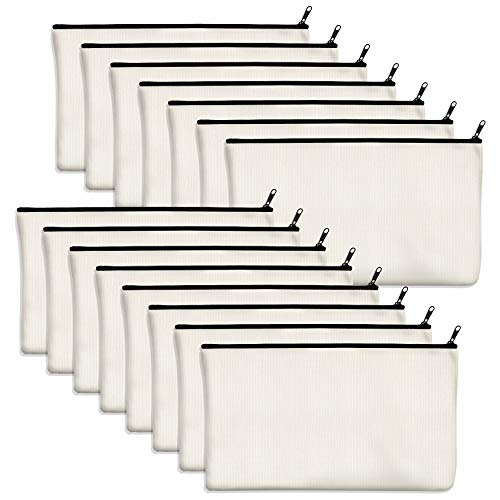
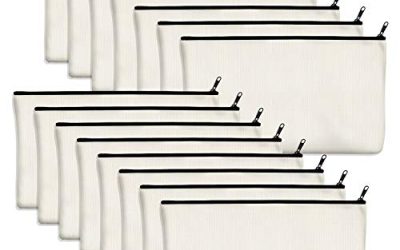
A note row holds paper, but every desk also gathers small loose pieces that do not belong in the line: spare clips, folded receipts, short cables, and cards waiting to be filed. The Vantasii pouches give those pieces a home right beside the row. The pack holds fifteen canvas pouches, each closing with a zipper, so small items can be grouped by kind and kept shut. Canvas is sturdy enough for daily handling, and a pouch can stand at the end of the row or lie flat in a drawer, ready when a note needs its attachments kept with it.
One caution: canvas is not waterproof, and the pouches should be treated as dry storage only. Keep them away from drinks, damp cloths, and window sills where rain can reach, and never rely on one to protect paper or electronics from water. Used with that limit in mind, they are a tidy companion to the felt and chambray lines. Label each pouch with its contents, line them up in the same reading order as the notes they support, and the whole desk behaves like one system. Loose pieces stop wandering across the desk, and the row itself stays clean, holding only the notes that belong in it.
Specs
- Pack size: 15 pouches
- Material: Canvas
- Closure: Zipper
- Water resistance: Not waterproof
feela Pocket Notebooks

The row shows what is current, but a sorting system also needs a memory, and the feela pocket notebooks fill that role. The pack holds three small notebooks in pocket format, easy to carry from desk to bag. Use one as the log of the row itself: what went into the line, what came out, and what is still waiting. A few lines a day keep the record honest, and when a note leaves the row, the notebook holds the reason and the date. That habit turns a pair of cloth lines into a system you can trust over weeks.
These notebooks are for logs and lists, and that boundary should be kept firmly. Never write full passwords in them. A notebook that travels in a pocket can be lost, borrowed, or read over a shoulder, so anything secret belongs elsewhere, in a proper protected store. For ordinary lists, though, the format suits the job well: shopping notes, call lists, reading orders, and the names assigned to each position along the felt line. Keep one notebook at the desk, one in a bag, and one in reserve. When the desk copy fills up, the log continues without a gap.
Specs
- Pack size: 3 notebooks
- Format: Pocket size
- Use: Logs and lists
- Note: Never for full passwords
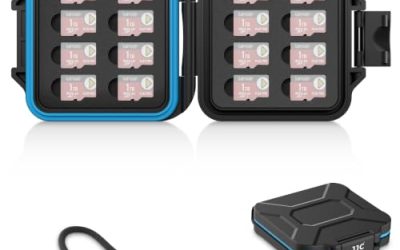
JJC Micro SD Card Case

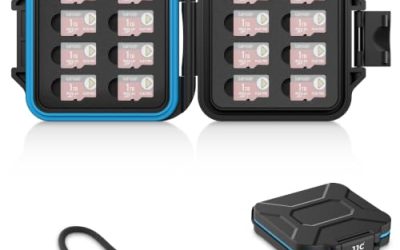
Small storage cards are the easiest desk items to lose, and the hardest to tell apart once they are loose in a drawer. The JJC case is a storage case made for micro SD cards only, giving those tiny cards one fixed home next to the row. A card that comes out of a camera or a reader can go straight into the case, and a card taken out for use goes back to the same place when the job is done. That single habit ends the familiar hunt through drawers and pouches, and it keeps delicate contacts away from dust, coins, and keys.
One fact should be stated plainly: the maker does not state a capacity for this case. This guide makes no capacity claims, and you should not expect a particular number of slots based on anything written here. What can be said is what the case is for: storage only, for micro SD cards. It is not a reader, it does not connect to anything, and it will not suit full-size cards. Label the case, note in the pocket notebook which cards live in it, and keep it in the same spot every day. Paired with the felt and chambray row, it means both the paper notes and the tiny cards they often refer to stay findable.
Specs
- Product type: Micro SD card storage case
- Use: Storage only, for micro SD cards
- Capacity: Not stated
FAQ
Why is the felt line laid before the chambray line?
Because this arrangement is built felt-first. The felt line is finished as a complete empty line, and that empty line sets the spacing, the front edge, and the look of the row. It also carries the names and the reading order. The chambray line is added behind it afterward, to soften each note’s lean, so every note rests across both lines.
How far apart should the two lines be?
A finger’s width apart suits most paper. Thin sheets lean softly and can sit with a narrower gap, while stiff cards need the chambray line a touch farther back. Set the gap for the paper you sort most often, keep the lines parallel, and check both ends, since a drift at one end tilts the notes there.
Can the chambray strip be a different cloth?
The back line should be a smooth, light, plain-weave cotton so paper slides into place without catching. Chambray suits the role because its even face and mottled blue-gray tone keep pale notes readable. A raised or rough weave would grip the paper and fight the lean, so any substitute needs the same qualities: light, smooth, and even.
How do I keep the row from becoming a pile?
Give every note a position and a name, log arrivals and departures in the pocket notebook, and keep loose pieces in the zipper pouches instead of the row. Review the line each evening, remove what is finished, and let the reading order decide what stays.
Final verdict
The felt and chambray row is a quiet, low-effort way to keep desk notes ordered, and its success rests on one simple discipline: felt first. Lay the felt line as a complete empty line, let it set the spacing, the front edge, the look, and the reading order, then add the chambray line behind it to soften the lean. The supporting tools each do one plain job well. The gel pen keeps notes and labels clear, the pouches corral loose pieces as dry storage, the pocket notebooks hold the log and the lists, and the card case gives micro SD cards a fixed home. For a Mac Studio desk, the mount clears the surface the row needs, provided you respect that it fits that machine only. Set the pair of lines once, review them daily, and the desk stays readable.
Product and ASIN Reference
| Product | ASIN |
|---|---|
| Pilot G2 Pens | B001AQPQBQ |
| bylitco Mac Studio Desk Mount | B0BL2XT3DJ |
| Vantasii Canvas Zipper Pouches | B08CMQ6QG4 |
| feela Pocket Notebooks | B0BG4MFCZC |
| JJC Micro SD Card Case | B0B76BDXN8 |
More from Amazon
Programs that pair well with the guide above. Offers and eligibility are set by Amazon and may change.
Free shipping on eligible items, Prime Video and more. Eligible new members can start with a free trial.
Start a Prime free trialAd-free music streaming. Eligible new subscribers can start with a free trial.
Try Music Unlimited freeA Prime membership for ages 18-24 with a trial period. Eligibility is set by Amazon.
See Prime for Young AdultsAudiobooks and podcasts to listen to on the go. Eligible new members can start with a free trial.
Try Audible freeAs an Amazon Associate we earn from qualifying purchases.

Write Your Review
No reviews yet. Be the first to share your experience!