

Key takeaways
- A felt and pique row sort and note routine for home desks: lay the felt line first, add pique behind, and keep every note in clear reading order.
A desk covered with loose notes soon loses its order, and the two-line routine in this guide gives every card and slip a fixed home. The setup uses two parallel lines laid across the desk: a soft strip of felt in front and a strip of pique behind it. The order of laying matters. The felt line is laid and finished first, as a complete empty line, before a single note is placed on it. That plain felt line sets the spacing, forms the front edge, and fixes the look of the whole arrangement. It also carries the names and the reading order, so the eye always knows where a row begins and how it runs.
Only when the felt line stands complete does the pique line join it. Pique is a stiff woven cotton with a raised, corded pattern of fine ribs and tiny pits, the cloth long used for polo shirts and summer jackets. Laid behind the felt, it gives each note a firmer back rest and softens the lean, so cards sit at an easy reading angle instead of sliding flat. Each note rests across both lines at once: felt under its lower edge, pique behind its upper part. The pairing keeps rows tidy, names visible, and the whole desk calm to read at a glance.
As an Amazon Associate, we earn from qualifying purchases.
How to choose
Begin with the desk itself. Measure the clear depth in front of your screen or lamp, because the two lines need room to sit side by side with a small gap of bare desk behind them. A shallow desk suits narrow strips; a deep desk can carry wider ones and a second row of notes behind the first. Next, pick the felt. A plain, firm felt strip in a quiet color works well, since the felt line is the face of the setup and carries the names. Cut it to the full width you plan to use, and finish its edges, because this line is completed once and then left alone.
Then choose the pique. Look for a stiff woven cotton with a clear raised pattern of ribs and pits; very soft or thin cloth folds under the lean of the cards and loses the benefit. The pique strip should match the felt in length so the two lines run as one unit. Think about note sizes as well. Small cards and short slips sit happily across both lines, while tall sheets need the pique placed a little higher behind the felt. Write every name before a note is placed, keep the reading order running left to right, and leave space at the right-hand end for later notes.
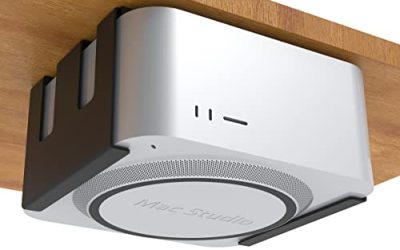
bylitco Mac Studio Desk Mount

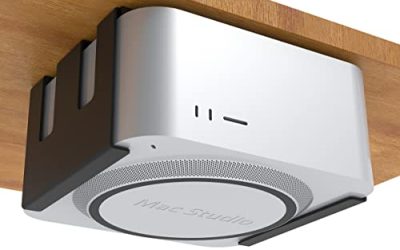
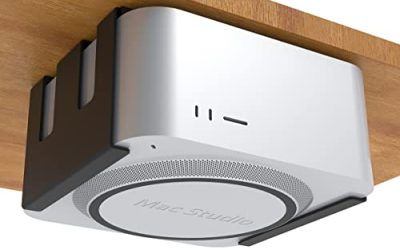
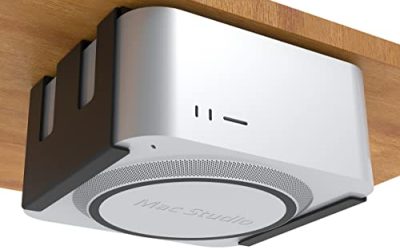
The two-line routine needs clear desk surface, and a Mac Studio sitting on the desk eats into exactly the space the lines want. This mount lifts the machine off the surface and holds it in a fixed spot, which frees a clean band of desk for the felt and pique strips to run without a break. With the computer raised, cables drop behind the desk edge instead of crossing the rows, and the notes stay in full view. The mount is made for Mac Studio only, shaped around that one machine, so it suits a desk built around a Mac Studio and nothing else. It is not a universal mount, and it should never be treated as one: other machines do not belong in it. For a Mac Studio desk, though, it turns a crowded corner into open working room. The felt line can run the full width of the freed space, the pique line sits behind it, and the screen stays above both, so the reading order on the desk and the order on the display are easy to compare. The rows no longer have to bend around the machine or share space with its cables.
Specs
- Product type: Desk mount
- Fit: Made for Mac Studio only
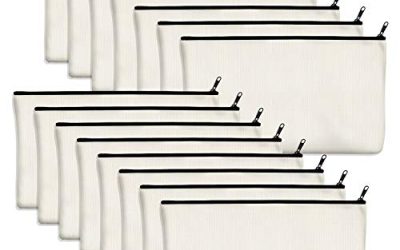
Vantasii Canvas Zipper Pouches
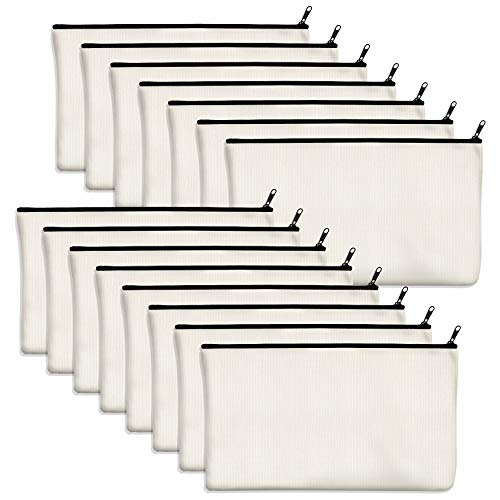
A sorting routine gathers small supplies: spare felt strips, pique offcuts, blank cards, name slips, and clips. These canvas pouches keep that material grouped and off the desk until it is needed. The set holds fifteen pouches: one for blank cards, another for finished name slips, a third for spare strip material rolled and ready. The zipper closure keeps small pieces from spilling into a drawer, and the canvas body is firm enough to stand use every day. Because the pouches are dry storage only, they suit paper, cloth, and card stock well. They are not waterproof, and they should never be asked to protect anything from damp: keep them in a drawer or on a shelf away from drinks and wet cloths. In the two-line routine they play a quiet supporting part. The desk itself carries only the two lines and the notes in use, while everything waiting in reserve sits zipped away in the pouches. When a felt strip wears thin or a pique offcut is needed, the right pouch is easy to find, and the desk is calm again as soon as it goes back in the drawer.
Specs
- Pack size: 15 pouches
- Material: Canvas
- Closure: Zipper
- Water resistance: Not waterproof
feela Pocket Notebooks

The lines on the desk hold the notes of the moment, but the routine behind them needs a written record: which names sit in which row, how the reading order runs, and what changed during the week. These pocket notebooks hold that record. The set holds three notebooks, small enough to live beside the keyboard or in a drawer under the lines. Use them for logs and lists only: a page for the current row layout, a page for names waiting to join the line, a page for the order in which rows should be read. The pocket size keeps the book at hand while notes are being placed, so the layout can be checked before a card goes down. One firm rule comes with these notebooks: they are never for full passwords. Logins, codes, and anything of that kind do not belong in a paper book on an open desk. Keep the notebooks to layouts, lists, and plain working notes, and they serve the routine well. Over time the filled pages become a history of the desk, a real help when a line is rebuilt after a holiday or a house move.
Specs
- Pack size: 3 notebooks
- Format: Pocket size
- Use: Logs and lists
- Note: Never for full passwords
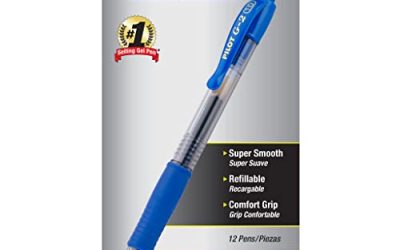
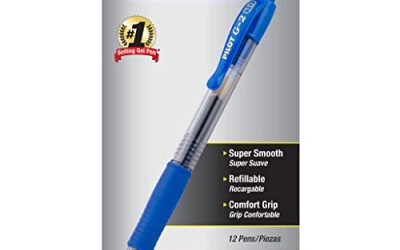
Pilot G2 Pens
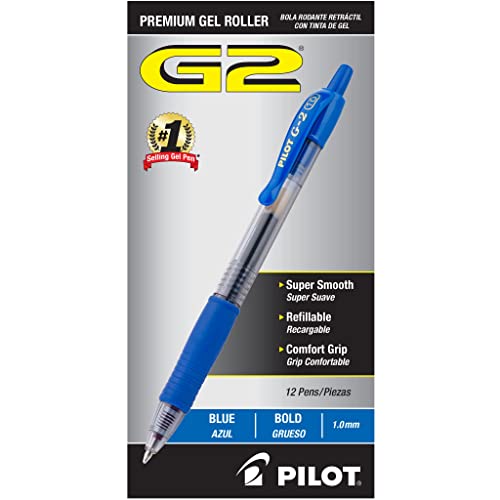
Every note in the two lines carries a name, and the name has to be written clearly enough to read at arm’s length. These gel pens do that writing. The gel ink lays down a smooth, dark line that stays legible on plain cards, name slips, and labels, and it dries fast enough that a finished card can go into its row without a long wait. A pen that writes cleanly on the first stroke matters more than it sounds: the felt line carries the names and the reading order, so a faint name weakens the whole setup. Keep one pen at the desk for the rows and a second in the drawer with the spare cards, so writing a new name never means hunting around the room. The pens also serve the notebooks, the pouch labels, and the small tags tied to spare felt and pique strips. Nothing about them is fancy, and that is the point: the pen turns a blank card into a named place in the reading order, neatly, stroke after stroke.
Specs
- Type: Gel pens
- Use: Notes and labels
- Ink: Gel
JJC Micro SD Card Case

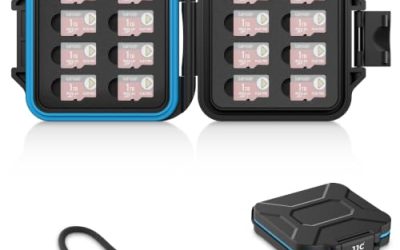
A modern desk collects tiny memory cards, and a loose micro SD card on the desk is easy to knock off, bury under a note, or lose among the rows. This case gives those cards a single closed home. It is a storage case for micro SD cards only, and it should be used for that and nothing else: cards sit in their slots, the case closes, and it lives in the drawer with the pouches and notebooks. The maker does not state a capacity for the case, so no number of cards should be assumed or claimed for it; what matters is that the cards in use have one known place. In the two-line routine the benefit is simple tidiness. The felt and pique lines are for paper notes, and small loose items break the reading order and clutter the front edge. A card left lying beside the rows invites a note to be placed on top of it, and then both are hidden. Keeping the cards cased and drawer-bound keeps the desk surface honest: cloth lines, paper notes, and nothing else. For anyone who moves files between devices at the same desk, the case ends the small daily search for a card set down near the keyboard.
Specs
- Product type: Micro SD card storage case
- Use: Storage only, for micro SD cards
- Capacity: Not stated
FAQ
Why is the felt line laid before the pique line?
Because the felt line does the organising work. Laid first and finished as a complete empty line, it sets the spacing, forms the front edge, and carries the names and the reading order. The pique line is added behind it only after that structure stands, purely to soften the lean of the notes. If the pique went down first, the rows would have a back rest but no order, and the names would have nothing firm to belong to.
Can the pique line be used on its own?
It can hold notes upright after a fashion, but the result is weaker. Pique gives a firm, ribbed back rest, yet without the felt line in front there is no fixed front edge, no set spacing, and no natural place for the names. The routine works because each note rests across both lines: felt below and in front, pique behind. Used alone, pique is a spare strip of stiff cloth, not a sorting system.
What size of notes suit the two lines?
Small and medium cards suit the lines well: index cards, name slips, short lists, and folded notes all sit across both lines with their names showing. Tall sheets can work if the pique line is placed a little higher behind the felt, but very large pages tend to curl and hide the rows behind them. When a page is too big, copy its name and key points onto a card and file the page away.
How should the felt and pique lines be kept in good shape?
Lift the notes off and shake both strips outside once in a while to clear dust and crumbs. Felt can be brushed with a dry hand or a soft clothes brush; pique, being a woven cotton, can be washed gently and laid flat to dry, then put back behind the felt line once fully dry. Keep drinks away from both lines, since damp felt marks easily and wet notes lose their names.
Final verdict
The felt and pique routine is a small system with a clear logic: build the felt line first, complete and empty, so the spacing, the front edge, the names, and the reading order are fixed before anything leans on it. Then add the pique line behind, and let its stiff ribbed cotton soften the lean of every note that rests across both lines. The supporting pieces each earn their place. The bylitco mount frees the desk surface on a Mac Studio setup, the Vantasii pouches keep spare material zipped away, the feela notebooks hold the layout record, the Pilot G2 pens write the names, and the JJC case keeps loose memory cards off the rows. None of it is grand, and all of it is calm, visible, and easy to rebuild. For a home desk where paper notes still matter, the two lines turn a scattered pile into a row that can be read at a glance.
Product and ASIN Reference
| Product | ASIN |
|---|---|
| bylitco Mac Studio Desk Mount | B0BL2XT3DJ |
| Vantasii Canvas Zipper Pouches | B08CMQ6QG4 |
| feela Pocket Notebooks | B0BG4MFCZC |
| Pilot G2 Pens | B001AQPQBQ |
| JJC Micro SD Card Case | B0B76BDXN8 |
More from Amazon
Programs that pair well with the guide above. Offers and eligibility are set by Amazon and may change.
Free shipping on eligible items, Prime Video and more. Eligible new members can start with a free trial.
Start a Prime free trialAd-free music streaming. Eligible new subscribers can start with a free trial.
Try Music Unlimited freeA Prime membership for ages 18-24 with a trial period. Eligibility is set by Amazon.
See Prime for Young AdultsAudiobooks and podcasts to listen to on the go. Eligible new members can start with a free trial.
Try Audible freeAs an Amazon Associate we earn from qualifying purchases.

Write Your Review
No reviews yet. Be the first to share your experience!