

Key takeaways
- A calm home desk routine: this felt and gabardine row sort and note guide lays the felt line first, then adds gabardine behind it for daily sorting.
A tidy desk row needs no trays, boxes or a rail screwed to the wall. It can be nothing more than two parallel lines laid flat on the desk: a soft strip of felt in front and a length of gabardine behind it, with each note, card and small paper resting across both. The felt line comes first in this routine, and that order matters. The felt is laid and finished as a complete empty line before a single note is placed, so the spacing, the front edge and the whole look of the row are settled by the felt alone. Only when that line reads clearly end to end is the gabardine added behind it, where its firm, smooth face takes each note’s lean and softens it.
Gabardine suits the back line well. It is a tightly woven twill with a smooth face and a fine, steep diagonal rib, firm enough to hold a shallow angle without sagging, yet soft enough that paper edges rest against it without curling. The felt in front does a different job: its nap grips the bottom edge of each card, so nothing slides forward onto the desk. Between the two lines, every note stands at the same gentle lean, in the order it was placed, readable at a glance. This guide walks through laying the felt first, adding the gabardine second, and the few desk items that keep the row working.
As an Amazon Associate, we earn from qualifying purchases.
How to choose
Begin with the felt, and treat it as the whole row at first. Lay the strip along the front of your working area, straighten it, and leave it completely empty. This empty line sets the spacing of everything that follows: how far apart the notes will sit, where the front edge of the row falls, and how the finished row will look from your chair. If the felt line looks crowded or crooked while empty, it will look worse once paper is added, so adjust it now.
Names and reading order belong to the felt line too. Because it is finished first, the felt carries the order in which notes will be read: the left end is where the eye begins, and each following note takes the next place along the strip. Decide that order on the felt, not on the gabardine. When the felt line is complete and empty, lay the gabardine behind it, close enough that a note leaned back crosses both lines and rests on each. The gabardine has one role only: to soften each note’s lean so paper stands calmly instead of tipping flat.
Choose the rest of the kit around those two lines. You want a mount that lifts a screen clear of the row, notebooks small enough for quick lists, pouches that swallow loose paper, pens that write cleanly on labels, and a small case that keeps memory cards out of the row entirely. Nothing in the kit should compete with the two lines; each piece feeds the row, labels it, or keeps clutter away.
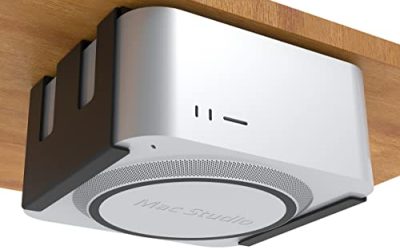
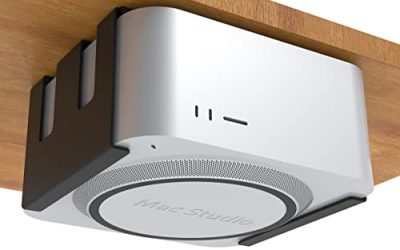
bylitco Mac Studio Desk Mount

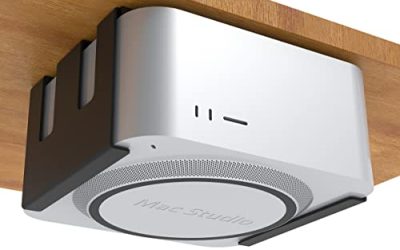
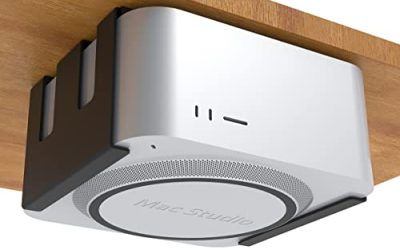
A row of notes needs the desk surface in front of the screen kept clear, and that is where this mount earns its place in the routine. It is made for the Mac Studio only, shaped and sized around that one machine, and it should never be treated as a universal mount for other computers. Fitted under or behind the desk edge as its design intends, it lifts the Mac Studio off the flat surface and leaves a clean run of desk where the felt line can be laid without a warm machine crowding the front edge.
With the computer raised, the felt line can sit closer to the screen, which shortens the glance from display to note and back. The mount also keeps cables dropping behind the row instead of wandering across it, so the gabardine line stays visible end to end. The desk then reads as two calm fabric lines and a row of paper, with the hardware held up and out of the way. If your machine is not a Mac Studio, this mount is simply not for your desk, and no part of this routine depends on forcing it to fit. For Mac Studio owners, though, it clears the exact patch of desk the row needs.
Specs
- Type: Desk mount
- Fit: Made for Mac Studio only
feela Pocket Notebooks

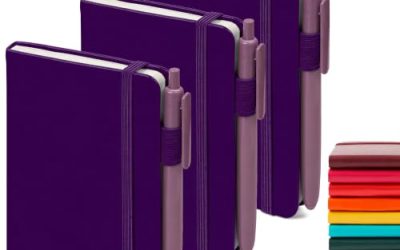
Every sorting row needs somewhere for stray thoughts to go, and these small notebooks take that role. They come as a pack of three pocket notebooks, small enough to live beside the felt line or ride in a pouch, and they are used for logs and lists: the running order of the row, the names carried along the felt line, and the quick tallies that pile up during a working day. A notebook opened flat beside the row lets you draft the reading order on paper before you move a single note.
The rule that matters with these books is simple and firm: they are never for full passwords. Logs, lists, headings, page numbers, the order of cards along the line — all of that belongs in them happily. A full password does not, ever, no matter how handy the book feels in the moment. Kept to that rule, the three books divide the work neatly: one for the current row plan, one for longer lists, and one spare that travels. Their pocket format means they stack flat on the gabardine line without bending it, and when the row is cleared at night, the books hold the order so the felt line can be rebuilt in the morning as it was left.
Specs
- Pack size: 3 notebooks
- Format: Pocket size
- Use: Logs and lists
- Note: Never for full passwords
Vantasii Canvas Zipper Pouches
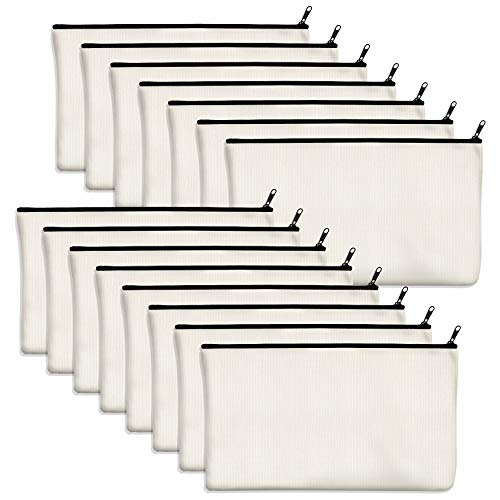
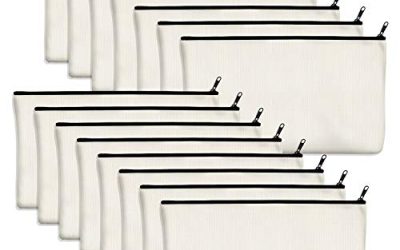
Loose paper is the enemy of a clean two-line row, and these canvas pouches are the holding area that keeps it at bay. The pack holds fifteen pouches, each closing with a zipper, so receipts, spare cards, tickets and folded notes can be grouped, sealed and set aside instead of drifting across the desk and burying the felt line. A pouch per theme works well: one for paper waiting to join the row, one for paper that has left it, and others for the small flat clutter every desk gathers.
The canvas is a dry storage material, and the limit should be stated plainly: these pouches are not waterproof. They shrug off dust and desk scuffs and keep contents together, but a spilled drink will pass through canvas, so anything that must stay dry belongs elsewhere. Within that limit they suit this routine well. A filled pouch leans against the gabardine line like an oversized note, and an empty one folds flat in a drawer. The zipper keeps the contents from escaping when a pouch is carried to a shelf, and fifteen in a pack means the row never has to share its holding space with other clutter. Sort into them first, and the felt line only ever receives paper that has earned its place.
Specs
- Pack size: 15 pouches
- Material: Canvas
- Closure: Zipper
- Water resistance: Not waterproof
Pilot G2 Pens

A row that carries names and a reading order needs writing that stays legible at a glance, and these gel pens handle the notes and labels for the whole routine. The gel ink lays down a smooth, dark line that reads clearly on small cards and on the plain labels used to name each place along the felt line. Because the felt carries the reading order, the labels matter: a card whose heading is crisp can be found in a second, while a faint one slows the whole row down.
Keep one pen at the row and treat it as part of the furniture. It writes the headings on notes before they are leaned across the two lines, it marks the order numbers in the corner of each card, and it fills the pocket notebooks that hold the row plan. Gel ink dries fast enough on plain card that a note can be placed on the gabardine almost as soon as it is written, without smearing across the felt. The pens suit the unhurried pace of this routine: nothing about the row is rushed, and a pen that writes the same clean line every time removes one small friction from every note you add, rename or retire during the day.
Specs
- Type: Gel pens
- Use: Notes and labels
- Ink: Gel
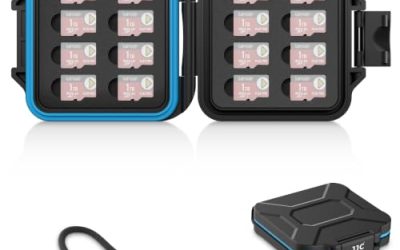
JJC Micro SD Card Case

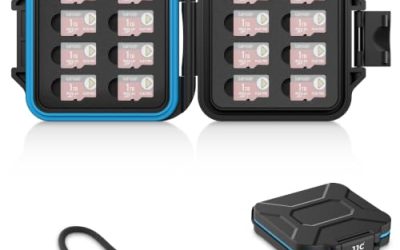
Memory cards are far too small to join a paper row, and far too easy to lose on a desk, so they get their own dedicated case in this routine. This case is storage only, made for micro SD cards, and it keeps the tiny cards slotted, ordered and out of sight instead of loose in a drawer or, worse, resting on the felt line where a note could cover them. A card that holds camera files or a backup belongs in a known slot in a known case, not in the sorting area.
One point must be kept honest: the maker does not state a capacity for this case, so this guide makes no claim about how many cards it holds. What can be said is what it is for — micro SD storage, in a small case that sits neatly beside the gabardine line or inside a pouch. Label the case once, keep it in one fixed spot, and the cards stop being a recurring desk problem. In a routine built on giving every item a set place, a fixed home for the smallest items of all completes the picture.
Specs
- Product type: Micro SD card storage case
- Use: Storage only, for micro SD cards
- Capacity: Not stated
FAQ
Which line goes down first, the felt or the gabardine?
The felt goes down first, always. Lay it as a complete empty line, settle its spacing and front edge, and let it carry the names and the reading order. Only when the felt line is finished and clear do you add the gabardine behind it, purely to soften the lean of the notes.
Why does the gabardine sit behind the felt?
Because the two lines do different jobs. The felt in front grips the bottom edge of each note and sets the look and order of the row. The gabardine behind, with its firm smooth face and fine diagonal rib, catches the top of each note’s lean so paper stands calmly across both lines instead of tipping or sliding.
Can I swap the order and lay the gabardine first?
You can, but the row works less well. The gabardine is smooth, so notes placed on it before the felt exists tend to wander, and the reading order gets decided on the wrong line. Laying the felt first keeps the order, spacing and front edge under your control.
How do I keep the row from gathering clutter?
Give every kind of item its own place outside the row. Loose paper waits in the canvas pouches, lists and logs live in the pocket notebooks, and micro SD cards stay in their case. The felt line then holds only the notes that belong in the reading order, and the gabardine holds only their lean.
Final verdict
This felt-first routine is a calm, low-fuss way to sort notes on a home desk. The felt line, laid and finished as a complete empty line, sets the spacing, the front edge and the look, and carries the names and reading order; the gabardine line, added behind it, does the quiet job of softening each note’s lean. Around those two lines, a small kit keeps everything else in place: a mount that clears the desk for Mac Studio owners, notebooks for logs and lists, pouches for loose paper, gel pens for clear labels, and a case for tiny memory cards. Lay the felt first, and the row builds itself in order.
Product and ASIN Reference
| Product | ASIN |
|---|---|
| bylitco Mac Studio Desk Mount | B0BL2XT3DJ |
| feela Pocket Notebooks | B0BG4MFCZC |
| Vantasii Canvas Zipper Pouches | B08CMQ6QG4 |
| Pilot G2 Pens | B001AQPQBQ |
| JJC Micro SD Card Case | B0B76BDXN8 |
More from Amazon
Programs that pair well with the guide above. Offers and eligibility are set by Amazon and may change.
Free shipping on eligible items, Prime Video and more. Eligible new members can start with a free trial.
Start a Prime free trialAd-free music streaming. Eligible new subscribers can start with a free trial.
Try Music Unlimited freeA Prime membership for ages 18-24 with a trial period. Eligibility is set by Amazon.
See Prime for Young AdultsAudiobooks and podcasts to listen to on the go. Eligible new members can start with a free trial.
Try Audible freeAs an Amazon Associate we earn from qualifying purchases.
Write Your Review
No reviews yet. Be the first to share your experience!