

Key takeaways
- A dimity and felt row sort and note routine for home desks: striped dimity line laid first, soft felt line behind, each note resting across both lines.
This guide builds a calm desk routine from two parallel lines laid across the front of a home desk. The dimity line comes first. Dimity is a sheer cotton with a fine woven stripe, and in this routine a length of it is laid and finished as a complete empty line before anything else joins it. That finished line sets the spacing, the front edge and the look of the whole setup, and it carries the names and the reading order. Only when the dimity line is complete does the second line join it: a soft strip of felt placed behind the dimity, close enough that each note can lean back onto it. Every note then rests across both lines, its lower edge on the dimity and its back softened by the felt.
The order matters, and this guide keeps it plain: dimity first, felt second, notes last. The dimity line is the working line, the one you read along when you sort mail, receipts and reminders into their places. The felt line is the quiet support behind it, softening each note’s lean so paper stands easy instead of sliding flat. Around the two lines sit five simple tools: a desk mount that lifts a Mac Studio clear of the surface, a small case for micro SD cards, pocket notebooks for logs and lists, canvas pouches for sorted odds and ends, and gel pens for names and labels. Together they keep the front of the desk open and easy to read at a glance.
As an Amazon Associate, we earn from qualifying purchases.
How to choose
Begin with the dimity line, because everything else follows from it. Choose a length of dimity that runs the width of your sorting area, and lay it flat as a complete empty line before any note touches the desk. The fine woven stripe gives the line a gentle rhythm, and that rhythm becomes your spacing guide: one note per stripe group, names facing you, reading order running left to right. Finish the line fully before you bring in anything else. A dimity line still being adjusted while notes pile up will never hold a steady order.
Next, add the felt line behind the dimity line. Pick a soft strip of felt in a calm colour, cut it to the same length, and place it just behind the dimity so the two lines run parallel. The felt is not a second sorting line and it carries no names; its only job is to soften each note’s lean. When a note rests across both lines, its foot sits on the dimity and its upper back presses lightly into the felt, which keeps it upright and easy to lift away.
Then look at the desk around the lines. A computer on the surface eats into sorting room, so a mount that lifts it clear can free the front edge. Small cards need a single home of their own, notebooks belong near the line for quick logs and lists, and loose bits need pouches so they stop wandering into the reading order. Pens matter too: a smooth gel pen writes a clear name in one pass, and clear names make the dimity line readable. Choose each piece for the line it serves, and keep the arrangement light enough to rebuild in a minute.
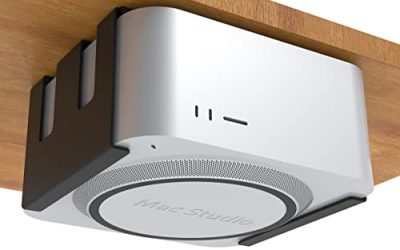
bylitco Mac Studio Desk Mount

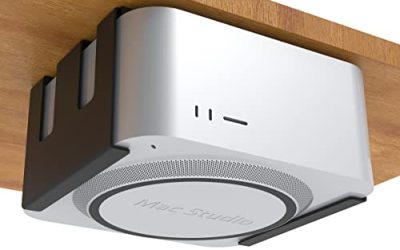
The bylitco mount earns its place before the lines are even laid, because it decides how much desk the lines can have. A Mac Studio sitting flat takes up a deep square of room, usually exactly where a sorting line wants to run. This mount lifts the machine clear, opening the front of the desk so the dimity line can run in one unbroken length with its front edge straight. With the machine raised, the space around it stays open for the felt strip and for notes waiting their turn.
The fit is narrow on purpose, and this guide states it plainly: the mount is made for Mac Studio only. It is not a general shelf and it is not made to suit other machines, so check your desk setup against that single fit before you plan around it. If your machine is a Mac Studio, the mount gives the two-line routine a clean field to work in. If it is not, leave this piece out and give the lines the room some other way.
Specs
- Product type: Desk mount
- Fit: Made for Mac Studio only
JJC Micro SD Card Case

Small memory cards are the easiest things on a desk to lose, which is why they get a case of their own in this routine. The JJC case is storage only, made for micro SD cards, and it gives each card a fixed slot away from the paper lines. Cards carry photo sets, work files and backups that do not belong loose among notes, and a dedicated case keeps them in one known place instead of scattered through drawers. When a card comes back, it returns to its slot before anything else moves.
One limit deserves plain words: the maker does not state a capacity for this case, and this guide makes no capacity claims for it. What can be said is what it is for: tidy, protected storage for micro SD cards, nothing more. That honesty suits the routine, because the two lines work on the same rule of one home for each item. Treat the case as the cards’ home, keep it closed when cards are not moving, and let the paper lines stay paper only. A small habit, but it ends the hunt for a card set down somewhere safe and promptly forgotten.
Specs
- Product type: Micro SD card storage case
- Use: Storage only, for micro SD cards
- Capacity: Not stated
feela Pocket Notebooks

The feela notebooks are the routine’s memory. The dimity line holds the day in view, but logs and lists need somewhere to live once the line clears, and these pocket size notebooks take that role. A three pack means one book can stay by the line for the running list, one can live in a pouch for errands, and one can sit spare in a drawer. Their small pages suit short entries: names, dates, quick tallies, the order of jobs still to do.
Their use is logs and lists, and one boundary is firm: never for full passwords. A notebook that travels in a pocket or a pouch is the wrong place for anything that guards an account, and this guide repeats the rule wherever these books appear. Write the working notes freely, though. A list beside the dimity line lets you sort with both hands and still keep a record, and a dated log page makes the reading order easy to rebuild tomorrow. When a book fills, label its spine with its dates and shelve it in order.
Specs
- Pack size: 3 notebooks
- Format: Pocket size
- Use: Logs and lists
- Note: Never for full passwords
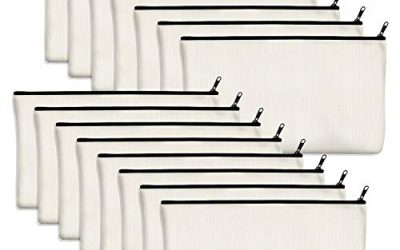
Vantasii Canvas Zipper Pouches
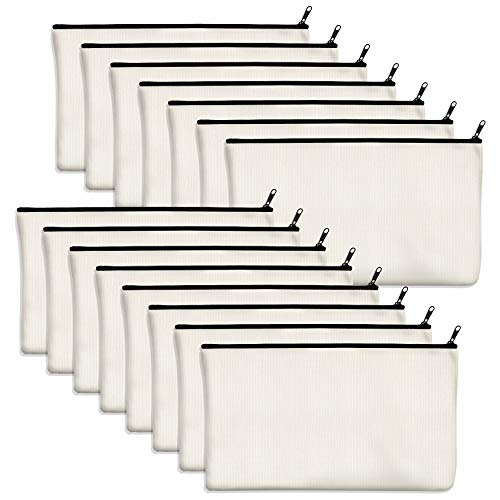
Every sorting line gathers a small crowd of loose things: clips, cords, keys, receipts too small for the line, and cards waiting for a home. The Vantasii pouches give that crowd a tidy place to wait. Fifteen canvas pouches in a pack is enough to give each kind of item its own pouch, and the zipper closure keeps the contents in when a pouch moves from desk to bag. Canvas takes a label well and stands up to daily opening and closing.
In this routine the pouches sit behind the felt line, out of the reading order but within reach. Name each pouch on a small card in a gel pen, and the dimity line stays clean while nothing gets lost. One rule is absolute: these pouches are for dry storage only, and they are not waterproof. Keep them away from mugs, bottles and window sills, and never treat a pouch as protection against damp. A pouch that gets wet should be emptied and dried open before it goes back to work. Within that limit, the set is the quiet backbone of the sort, and the two lines stay clear for paper alone.
Specs:
– Pack size: 15 pouches
– Material: Canvas
– Closure: Zipper
– Water resistance: Not waterproof
Pilot G2 Pens

Names carry the dimity line, and names are written with these pens. The Pilot G2 is a gel pen, and gel ink lays down a smooth, dark line that reads clearly on small cards and labels. That clarity matters more than decoration here: the reading order only works if each name can be read at a glance, from a normal sitting distance. A pen that writes evenly in one pass keeps the sorting rhythm steady, because nobody has to go back and rewrite a faded name while the line waits.
Keep two pens with the routine, one at each end of the line, so a name can be added wherever a note lands. Use them for notes and labels above all: the name on a card, the title on a pouch label, the date at the head of a log page. Gel ink dries to a clean finish on plain card, and the writing stays legible as notes move along the line through the day. Simple tools, honestly used, are the theme of this setup, and these pens fit it: clear names that let the dimity line speak for itself.
Specs
- Type: Gel pens
- Use: Notes and labels
- Ink: Gel
FAQ
Which line do I lay first, the dimity or the felt?
Lay the dimity line first, always. The sheer striped dimity is laid and finished as a complete empty line before anything else joins it, because that finished line sets the spacing, the front edge and the look of the setup, and it carries the names and the reading order. The felt line is added only after the dimity line is complete. Reversing the order leaves the spacing unsettled.
Why does the felt line go behind the dimity line?
Because the felt has a supporting job, not a sorting job. Placed behind the dimity line, the soft felt strip softens each note’s lean: the foot of the note rests on the dimity, where its name can be read, and its back rests lightly against the felt, which keeps it upright and calm. The dimity stays in front as the line you read along, and the felt stays behind it as the cushion.
Can I keep passwords in the pocket notebooks?
No. The feela notebooks are for logs and lists only, and never for full passwords. They travel in pockets and pouches and sit out on the desk, so anything written in them should be safe for another person to see. Keep account details in a proper protected place, and let the notebooks hold the harmless working records: lists, dates, tallies and the order of the day.
Are the canvas pouches safe near a mug of tea?
Not against spills, no. The Vantasii pouches are for dry storage only and are not waterproof, so a knocked mug can soak straight through the canvas to whatever is inside. Keep the pouches behind the felt line, away from drinks, and treat them as tidy homes for dry things only. If a pouch does get wet, empty it and let it dry open before using it again.
Final verdict
The dimity and felt row works because its build order is simple and strict: the dimity line is laid and finished first, carrying the names and the reading order, and the felt line is added behind it to soften each note’s lean. Each tool around the lines does one clear job. The bylitco mount frees the surface for a Mac Studio owner, the JJC case gives micro SD cards a single home, the feela notebooks hold logs and lists, the Vantasii pouches gather loose dry items, and the Pilot G2 pens keep every name legible. Build it in that order, and the front of the desk stays calm and quick to rebuild each morning.
Product and ASIN Reference
| Product | ASIN |
|---|---|
| bylitco Mac Studio Desk Mount | B0BL2XT3DJ |
| JJC Micro SD Card Case | B0B76BDXN8 |
| feela Pocket Notebooks | B0BG4MFCZC |
| Vantasii Canvas Zipper Pouches | B08CMQ6QG4 |
| Pilot G2 Pens | B001AQPQBQ |
More from Amazon
Programs that pair well with the guide above. Offers and eligibility are set by Amazon and may change.
Free shipping on eligible items, Prime Video and more. Eligible new members can start with a free trial.
Start a Prime free trialAd-free music streaming. Eligible new subscribers can start with a free trial.
Try Music Unlimited freeA Prime membership for ages 18-24 with a trial period. Eligibility is set by Amazon.
See Prime for Young AdultsAudiobooks and podcasts to listen to on the go. Eligible new members can start with a free trial.
Try Audible freeAs an Amazon Associate we earn from qualifying purchases.





Write Your Review
No reviews yet. Be the first to share your experience!