

Key takeaways
- Compare the best cnc compatible plasma cutters for garage workshops: CNC ports, non-HF starts, duty cycles and cut capacity for clean table cuts every time.
The decision is not which cutter slices steel fastest by hand. It is which cutter your table can drive without fighting it. A garage CNC table needs a machine that fires on command, holds a steady arc across a full sheet, and never throws electrical noise at the controller. Buy the wrong start type and the table stalls, the torch misfires, or the controller loses steps mid-cut. Buy the right one and the same table turns flat bar and sheet into brackets, signs, and panels while you watch the path.
This guide is for garage fabricators building a first table, home-shop owners cutting brackets and art panels, and small-batch makers who want repeatable parts without a full industrial setup. Every cutter below was chosen from the names and specifications shown on its Amazon product page, with CNC compatibility as the first filter and garage-sized power and air needs as the second.
Quick Picks
As an Amazon Associate we earn from qualifying purchases.
| Product | Best for | Key spec from title |
|---|---|---|
| PRIMEWELD CUT60 | A garage table that runs long sessions | 60Amp Non-Touch Pilot Arc PT60 Torch Plasma Cutter |
| LOTOS LTP5500DCNC | A first CNC table with height control | Non-Touch Pilot Arc CNC Enabled Digital Plasma Cutter THC |
| YESWELDER CUT-55DS PRO | A low-cost DIY table build | 55 Amp Non-High Frequency Non-Touch Pilot Arc Plasma Cutter |
How to Choose
Start with a non-high-frequency arc
A plasma cutter starts its arc in one of two ways, and the difference decides whether a CNC table runs cleanly. High-frequency start throws a burst of electrical noise to light the arc, and that noise can scramble a table controller, freeze a laptop, or corrupt a cut file. Blowback start moves an electrode inside the torch to light the arc mechanically, so it sends almost no interference down the line. Every cutter in this guide uses a non-high-frequency blowback start. When you compare other machines, treat the start type as a hard filter: if the listing does not say non-HF or blowback, assume it will fight your table.
Look for a real CNC interface, not just a trigger
A CNC table needs two things from a cutter: a way to fire the torch on command and a way to read arc voltage for height control. The strongest machines in this guide have a CNC port that carries both signals, with a plug in the box. Some cutters have no built-in port at all and fire only through the hand-torch trigger, which means adding a relay and an adapter to hold the torch straight. That setup can still work, and the YESWELDER below is included for exactly that kind of DIY build, but it adds wiring and a mount to your project. Check the listing for a CNC port and a torch height control signal before you buy.
Match duty cycle and air supply to real cutting
Duty cycle tells you how long a cutter can run inside a ten-minute window before it needs to cool, and it matters more on a table than by hand because the torch stays lit through long, nested cuts. A 60 percent duty cycle at full output is a solid garage figure; a lower figure means the machine pauses while your sheet waits. Air matters just as much. These cutters ask for 4 to 5 cubic feet per minute at 70 to 90 PSI, and a small pancake compressor cannot hold that through a full sheet. Size the compressor to the cutter, fit a filter and regulator, and keep the air dry, because wet air eats consumables and roughens every edge.
Size the cut to your steel and your outlet
Amperage sets how thick the steel can be, and voltage sets how much of that amperage your garage can actually deliver. A 60-amp cutter on a 240-volt circuit cuts far thicker plate than the same machine throttled to 30 amps on a 120-volt outlet. Learn the two cut figures in a listing: clean cut is the thickness the machine slices neatly at a steady pace, while severance cut is the thickest plate it can get through at all, slowly and roughly. Buy for the thickness you cut most weeks, not the thickest plate you might cut once, and confirm the breaker and wiring for the outlet you plan to use.
The 3 Best Options
PRIMEWELD CUT60
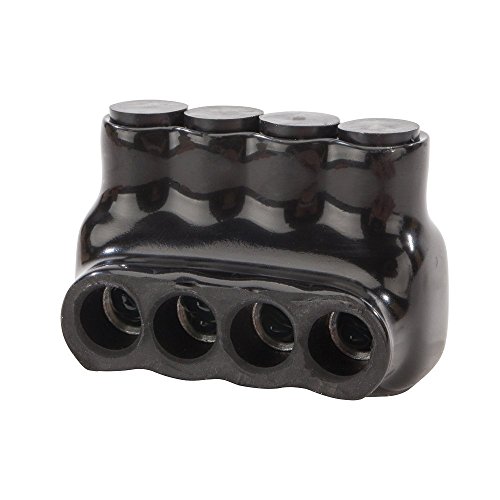
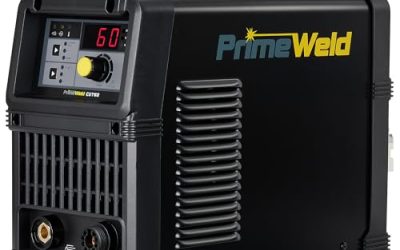
The CUT60 is the cutter to buy when the table will run often and the steel gets thick. Its 60-amp output and 60 percent duty cycle at full power keep long, nested cuts moving without the machine stopping to cool, and the blowback pilot arc lights reliably on rusted or painted plate. The built-in CNC port, with a plug in the box, wires straight to a table controller, and the PT60 torch uses consumables that are easy to find. Dual voltage means it still works on a 120-volt outlet at reduced output while you plan a 240-volt circuit.
Specs
- 60-amp output; 20 to 60 amps on 240 volts, 20 to 30 amps on 120 volts
- Non-touch blowback pilot arc; PT60 torch with Euro central connection
- CNC port with plug included
- 60 percent duty cycle at 60 amps; 100 percent at 46 amps
- Severance cut up to 7/8 in steel
- Air supply about 5 CFM at 75 to 90 PSI
- 3-year warranty with USA support
Best for: A garage table that cuts often and tackles thicker plate.
Watch out for: It is the heaviest cutter in this guide at about 33 lb, and it needs a compressor that can hold 5 CFM; check your breaker size before you order.
ASIN: B00CTYR7P6
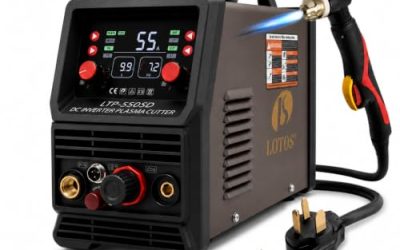
LOTOS LTP5500DCNC

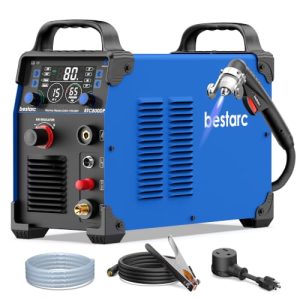
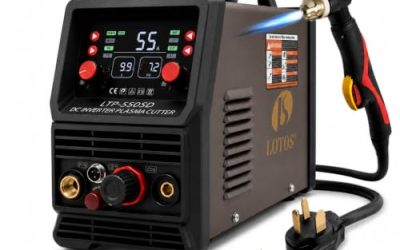
The LOTOS is the pick for a first CNC table because the CNC interface is already built in. A pre-installed port carries torch-fire and torch height control signals, so the table can hold the torch at the right gap without add-on wiring. Its 55-amp output and non-high-frequency blowback start suit sheet and plate up to a 3/5 in clean cut, and the dual-voltage input lets it run in garages wired for either 110 or 220 volts. At 15 lb it is also the lightest cutter here, which helps when the machine moves between a bench and the table.
Specs
- 55-amp output; 20 to 55 amps DC
- Automatic dual voltage, 110 to 125 volts or 215 to 245 volts
- Non-high-frequency blowback start; non-touch pilot arc
- Pre-installed CNC interface with THC torch height control signal output
- 3/5 in clean cut; 1 in maximum severance cut at 220/240 volts
- Air requirement 70 PSI at 4.0 SCFM
- Torch with central connector; 15 lb
Best for: A first CNC table where the height control wiring should work out of the box.
Watch out for: Listing and secondary sources disagree on the clean cut (3/5 in in the listing, 3/4 in elsewhere) and on weight (15 lb in the listing, about 22 lb elsewhere); confirm both on the live listing before you buy.
ASIN: B07Y3Y12VF
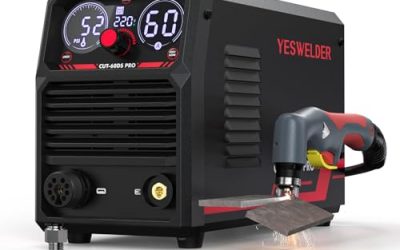
YESWELDER CUT-55DS PRO

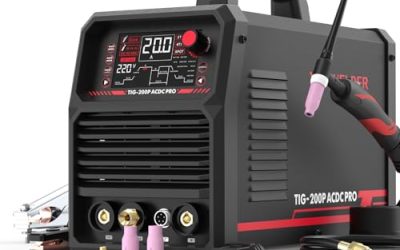
The YESWELDER is the budget route into a DIY table. Its non-high-frequency blowback start keeps table electronics quiet, and the 55-amp output handles the sheet and light plate most garage projects use. The large LED display, 2T and 4T trigger modes, and adjustable post-flow make it easy to set up by hand, and the air filter and regulator arrive in the box. There is no built-in CNC port, so torch firing runs through the trigger port, which means a relay and a torch mount belong on your build list before the first programmed cut.
Specs
- 55-amp output; dual voltage 110/220 volts
- Non-high-frequency blowback start; non-touch pilot arc
- IPT40 plasma cutting torch
- Large LED digital display; 2T/4T trigger modes; adjustable post-flow
- Air compressor filter, gas hose, and ground clamp included
- 3/8 in clean cut; 3/4 in maximum cut
Best for: A low-cost DIY table build where you wire the torch trigger yourself.
Watch out for: No built-in CNC port or divided-voltage output, so the table needs a trigger relay, and a hand torch needs a mount to sit straight on the gantry.
ASIN: B0CWMY354P
Which One Fits Your Situation
Building your first CNC table
The LOTOS LTP5500DCNC fits this job best. Its built-in CNC interface and torch height control signal remove the wiring guesswork that stalls a first build, and 55 amps covers the sheet and plate a beginner cuts most. Add the CUT60 only if you already know the table will run thick plate regularly.
Cutting thick plate in long sessions
Pick the PRIMEWELD CUT60. Its 60-amp output, 60 percent duty cycle at full power, and 7/8 in severance cut keep long jobs moving, and the CNC port wires directly to the controller. Make sure the compressor holds about 5 CFM and the circuit is 240 volts before the first long cut.
Keeping the build cost down
Choose the YESWELDER CUT-55DS PRO. It brings the two things a DIY table truly needs, a non-high-frequency start and 55 amps of output, at the lowest cost in this guide. Budget for a trigger relay, a torch mount, and a compressor that can hold its air demand, because those add-ons are part of the real cost.
Working from a 120-volt garage outlet
All three cutters run on 120 volts, but each drops output there, so treat 120-volt cutting as light sheet work. The LOTOS holds 50 amps at a 35 percent duty cycle on 110 volts, the CUT60 drops to 30 amps, and the YESWELDER suits thin material at that voltage. Plan a 240-volt circuit before cutting plate thicker than light sheet.
Safety Before You Cut
Plasma cutting throws ultraviolet light, hot sparks, and fumes, so treat every cut like a welding job. Wear a shaded helmet or goggles, gloves, and long sleeves, keep a fire extinguisher within reach, and clear flammable material from the cutting area. Cut in a ventilated space or with extraction running, because fumes from painted or coated steel are harmful to breathe. Disconnect power before changing torch consumables, and let the machine cool before moving it.
Common Mistakes
- Buying a high-frequency start cutter for a CNC table, then chasing controller glitches that only stop when the cutter is replaced.
- Running a cutter on a compressor that cannot hold the required CFM, which starves the arc and chews through consumables.
- Skipping the torch height control signal and letting the torch drag or ride too high across warped sheet.
- Clamping a hand torch to the gantry without a proper mount, so the torch tilts and every cut comes out beveled.
- Cutting painted or coated steel in a closed garage without ventilation or a fire watch, and leaving hot slag near sawdust or rags.
Frequently Asked Questions
Can any plasma cutter run on a CNC table?
No. A table needs a cutter with a non-high-frequency start, because high-frequency starts can interfere with the controller and corrupt a cut. It also needs a way to fire the torch on command, either through a built-in CNC port or a trigger relay. Machines with a CNC port and a torch height control signal connect with the least extra wiring.
Do I need a machine torch for a CNC table?
Not at first. A hand torch clamped in a proper mount cuts well on a hobby table, and all three cutters in this guide ship with a hand torch. A machine torch is straighter, lighter at the head, and easier to mount square, so it is worth adding when the table runs daily. Either way, the torch must sit square to the sheet or every edge comes out beveled.
What size compressor do I need?
Match the compressor to the cutter’s air demand, not to the tools you already own. The cutters in this guide ask for 4 to 5 cubic feet per minute at 70 to 90 PSI, so a compressor that can hold that flow through a sheet is the minimum. Fit a filter and regulator, drain the tank, and keep the air dry, because moisture shortens consumable life and roughens cut edges.
Can I run these cutters on a standard 120-volt outlet?
Yes, all three are dual voltage, but each one loses output on 120 volts. The CUT60 drops to 30 amps, the LOTOS holds 50 amps at a lower duty cycle, and the YESWELDER suits thin sheet at that voltage. Light work is fine, but for plate or long sessions, run a 240-volt circuit with the right breaker and wiring before you cut.
More from Amazon
Programs that pair well with the guide above. Offers and eligibility are set by Amazon and may change.
Free shipping on eligible items, Prime Video and more. Eligible new members can start with a free trial.
Start a Prime free trialAd-free music streaming. Eligible new subscribers can start with a free trial.
Try Music Unlimited freeA Prime membership for ages 18-24 with a trial period. Eligibility is set by Amazon.
See Prime for Young AdultsAudiobooks and podcasts to listen to on the go. Eligible new members can start with a free trial.
Try Audible freeAs an Amazon Associate we earn from qualifying purchases.

Write Your Review
No reviews yet. Be the first to share your experience!