

Key takeaways
- A felt and net row sort and note guide for home desks: lay the felt line first, add the net line behind, and keep paper notes in a calm reading order.
A row of paper notes along the front of a home desk stays readable when it leans on something soft, and this layout builds that lean in two clear steps. The felt line comes first: a soft strip of felt is laid along the desk edge and finished as a complete empty line, with nothing resting on it yet. Only then does the net line join in behind, a line of fine pale netting that softens the lean of each note. Every note rests across both lines, top edge on the net, lower edge on the felt, so the row reads as one calm band rather than a pile of loose slips.
The order matters. The felt sets the spacing, the front edge and the look of the row, so it earns the first pass and the final say on where each note sits. The net line carries the names and the reading order, its fine mesh giving each card a gentle hold without hiding the words. This guide walks through the felt-first build step by step, then looks at five desk pieces that support it: a mount that clears the back of the desk, a small case for memory cards, pocket notebooks, canvas pouches and gel pens for the notes themselves.
As an Amazon Associate, we earn from qualifying purchases.
How to choose
Begin with the felt, and finish that line first, because the whole layout follows from it. Choose a plain soft strip with a smooth face and no raised pattern; pattern fights the ink and makes small writing hard to read. Lay the strip along the front edge of the desk and finish it as a complete empty line before anything else joins it. Press it flat with your palm, smooth out any curl at the ends, and leave it empty while you judge the spacing: the felt sets how wide each note stands, where the front edge runs, and the quiet look of the row.
Then add the net line behind it. Pick fine pale netting with a small even mesh; a coarse net snags card corners, and a dark net swallows pale paper. The net sits a finger’s width behind the felt, high enough that each note leans back onto it and rests across both lines. Because the net carries the names and the reading order, keep its top edge level, so the eye moves along the row without hunting.
Match note size to the pair. Small cards and pocket-note pages suit this build best; tall sheets flop over the net and hide the line behind them. Keep one pen, one notebook and one pouch set within reach, and let the rest of the desk stay clear. When the felt line reads well empty, the full row almost builds itself.
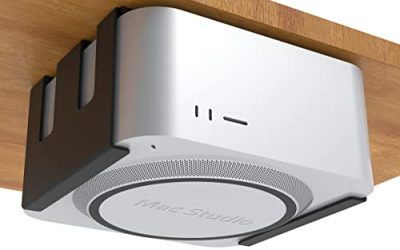
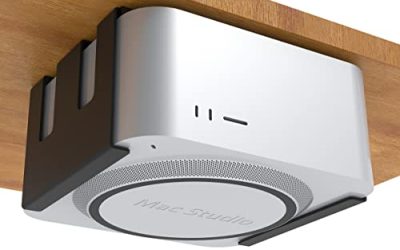
bylitco Mac Studio Desk Mount

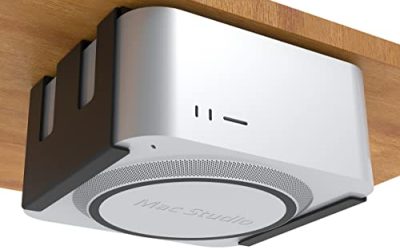
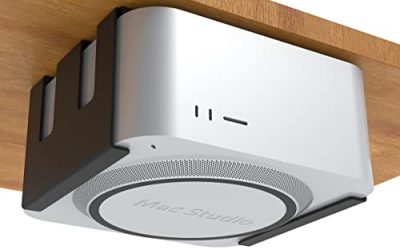
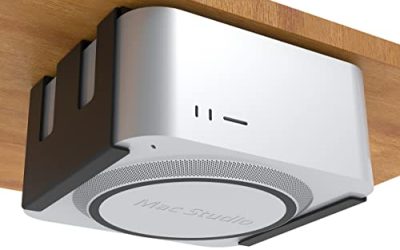
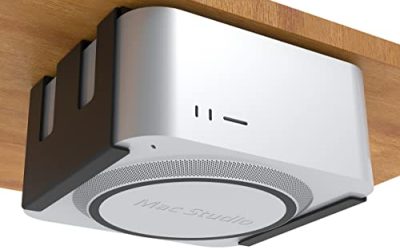
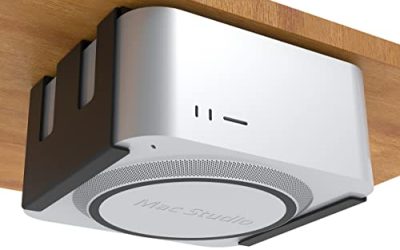
The desk row works best when the heavy gear sits still, and this mount gives a Mac Studio a fixed home at the back of the desk so the felt line can run clean in front of it. The mount is made for Mac Studio only, shaped for that one case, and it should never be treated as a fit for any other machine. That single fit is a strength here: the computer stays put, cables drop behind the desk edge, and the front strip stays free for notes. With the screen raised and the desk surface clear, the felt line can be laid in one calm pass from edge to edge. Keep the mount behind the row, not beside it, so nothing leans on the notes. If your desk holds a different computer, this mount is not for you; it suits only a desk built around a Mac Studio. For that one setup, it clears the middle of the desk, guards the row from bumps, and leaves the paper line as the only thing the eye meets first each morning. A steady base behind the row also keeps the whole desk feeling calm when papers shift.
Specs
- Type: Desk mount
- Fit: Made for Mac Studio only
JJC Micro SD Card Case

Loose memory cards vanish into desk drawers, and this small case keeps micro SD cards in one known place beside the row. It is a storage case for micro SD cards only, nothing more, and that narrow job suits a tidy desk: cards come out for a swap, go back in the case, and the case slips into a pouch when the desk is cleared. One honest gap is worth naming in plain words: the maker does not state a capacity for this case, so this guide makes no claim about how many cards it holds. Count that as a known unknown before you buy, and plan around the cards you can see in hand rather than a number on a box. The case earns its place by habit, not by figures: it keeps tiny cards off the felt line, away from the net, and out of the paper row, where a stray card could bend a note or hide a name. Park it at the end of the row, in the same spot each day, and the swap routine stays quick and calm. Small, plain and easy to find in a drawer, it suits anyone whose camera or recorder cards tend to wander.
Specs
- Product type: Micro SD card storage case
- Use: Storage only, for micro SD cards
- Capacity: Not stated
feela Pocket Notebooks

The row runs on small paper, and these pocket notebooks supply it. The pack holds three pocket size notebooks, sized for a shirt pocket, a pouch or the end of the desk, and each one can carry a single theme: one for the row’s reading order, one for rough lists, one for loose ideas that may join the row later. Paper this small suits the felt and net build, since a page torn out stands neatly across both lines without hiding its neighbors. Use the notebooks for logs and lists — brief lines, names, dates, short reminders — and keep that boundary firm: never write full passwords in them, or in any paper book that sits open on a desk. That rule appears in the specs below because it matters every day, not only on tidy days. A filled notebook can retire into a canvas pouch, and a fresh one takes its place at the end of the row, so the paper supply never becomes a pile. Plain covers keep the look calm beside the felt, and the small pages tear out clean when a note graduates to the row. For a desk that thinks on paper, three small books in rotation beat one thick pad.
Specs
- Pack size: 3 notebooks
- Format: Pocket size
- Use: Logs and lists
- Note: Never for full passwords
Vantasii Canvas Zipper Pouches
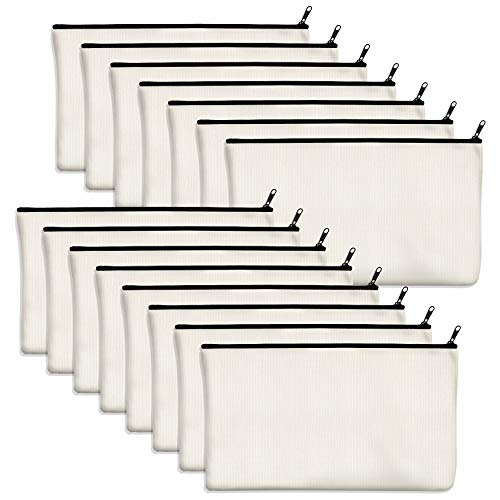
Fifteen canvas pouches with zipper closures give the row a support crew: one pouch for spare notes, one for the card case, one for pens, and the rest for the small clutter that would otherwise drift across the felt. Canvas shrugs off daily handling, the zippers keep contents in place when a pouch moves from desk to bag, and the flat shape stacks neatly at the end of the row without leaning on the notes. One limit needs plain words in the prose as well as the specs: these pouches are not waterproof, so keep them for dry storage only, away from mugs, bottles and window sills. A damp pouch beside the row would put the paper at risk, and paper is the whole point of the build. Used dry, the set brings order fast: label each pouch by theme, keep only two or three on the desk, and store the rest in a drawer for swaps. The canvas also softens the look of the desk, echoing the felt line’s quiet feel. When a pouch empties, it folds flat and waits, taking no room at all. For a paper row that changes week to week, that kind of flexible storage earns its keep.
Specs
- Pack size: 15 pouches
- Material: Canvas
- Closure: Zipper
- Water resistance: Not waterproof
Pilot G2 Pens

Every note on the row is written by hand, and a gel pen is the tool that makes that writing clear at a glance. These gel pens lay down smooth dark lines that stay readable on small cards, which is what the net line needs: names and order numbers that the eye can catch while moving along the row. Keep one pen at the end of the felt line, always in the same place, and the note habit stays simple — write the card, lean it across both lines, move on. Gel ink suits the small scale of this build; the line is fine enough for pocket-note pages and bold enough to read from a chair’s distance. A pen that lives on the desk also guards the row from clutter, since there is no hunt through drawers each time a note changes. Pair the pens with the pocket notebooks for rough work, then write the final card fresh for the row, so the felt line carries only clean, final notes. Plain, familiar and easy to replace, a small set of gel pens is the quiet engine of the whole paper system, and the row looks sharper for it.
Specs
- Type: Gel pens
- Use: Notes and labels
- Ink: Gel
FAQ
Why does the felt line go down before the net line?
Because the felt sets the spacing, the front edge and the look of the whole row. Finish it as a complete empty line first, judge it on its own, and only then add the net behind it. If the net went first, its mesh would fix the spacing before the felt had its say, and the row would lean on the wrong line.
Can the net line hold notes on its own?
It can prop a card for a moment, but the build works when each note rests across both lines. The felt gives the lower edge a soft grip and the net softens the lean at the back. Alone, the net lets notes slide and bunch, and the reading order blurs. The pair is the point: felt first, net behind, notes across both.
Which desk pieces matter most for this layout?
The mount and the pouches do the heavy lifting. The mount clears the back of the desk — for a Mac Studio only — so the row owns the front edge. The pouches hold spare paper, pens and the card case off the felt. The notebooks feed the row with fresh pages, and one gel pen writes every final note.
How do I keep the reading order clear over time?
Keep the net line level, since it carries the names and the reading order, and rewrite any card whose writing fades or crowds its edges. Work along the row from one fixed end, retire old notes into a pouch, and let the felt line stay visible between cards. A short tidy pass each week keeps the order plain.
Final verdict
For a home desk that runs on paper, the felt-first build is a calm and honest layout. Lay the felt line as a complete empty line, add the fine net line behind it, and let each note rest across both: the felt sets the spacing, the front edge and the look, while the net carries the names and the reading order. The five pieces here support that build without crowding it — a mount that frees the back of the desk for Mac Studio owners, a plain card case with its capacity openly unstated, three pocket notebooks for logs and lists, dry-use canvas pouches, and gel pens for clean final notes. Build the felt line first, keep the desk clear around it, and the row will read well every day.
Product and ASIN Reference
| Product | ASIN |
|---|---|
| bylitco Mac Studio Desk Mount | B0BL2XT3DJ |
| JJC Micro SD Card Case | B0B76BDXN8 |
| feela Pocket Notebooks | B0BG4MFCZC |
| Vantasii Canvas Zipper Pouches | B08CMQ6QG4 |
| Pilot G2 Pens | B001AQPQBQ |
More from Amazon
Programs that pair well with the guide above. Offers and eligibility are set by Amazon and may change.
Free shipping on eligible items, Prime Video and more. Eligible new members can start with a free trial.
Start a Prime free trialAd-free music streaming. Eligible new subscribers can start with a free trial.
Try Music Unlimited freeA Prime membership for ages 18-24 with a trial period. Eligibility is set by Amazon.
See Prime for Young AdultsAudiobooks and podcasts to listen to on the go. Eligible new members can start with a free trial.
Try Audible freeAs an Amazon Associate we earn from qualifying purchases.

Write Your Review
No reviews yet. Be the first to share your experience!