

Key takeaways
- A calm desk sort for a string and faille row: paper labels, a pocket log, pouches for loose ends, and five simple tools that keep the back edge tidy.
A home desk earns its keep when the surface stays clear and every small thing has a known place. Along the back edge of this desk sits a row of string bundles and ribbed faille fabric pieces, each one rolled, tied, and waiting for a job. Left loose, the bundles slide into one another, the fabric edges rub against pens and paper, and a quick search turns into a slow dig. A calm sort fixes that. The row gets lined up by length, each bundle gets a paper label, and a small log notes what each piece is for, so the desk stays tidy and the next job begins without fuss.
This guide walks through a simple desk sort built around that row. It covers how to group the string and faille pieces, how to label them so the labels stay readable, and how a pocket log keeps lengths and planned uses in one place. Five everyday products support the routine: a desk mount that frees up surface room, a small case for the memory cards holding photos of finished work, pocket notebooks for the log, canvas pouches for loose bundles, and gel pens that write cleanly on paper tags. None of it is fancy, and that is the point: plain tools, used the same way each time, keep the row in order.
As an Amazon Associate, we earn from qualifying purchases.
How to choose
Begin with the row itself. Lay every string bundle and faille piece flat, then group them by length and by planned use: tying, wrapping, trim, and mending piles tend to emerge on their own. Measure each bundle with a ruler and write the length on its label right away, while the number is in front of you. A bundle without a label will be measured again later, and that repeat work is what a sort is meant to remove.
Next, think about where each group will live. Long pieces can rest along the back of the desk in a line, held by their own ties. Short offcuts and loose ends belong in pouches, where they cannot wander. Fabric pieces fold better than they roll, and a folded stack keeps the ribbed surface smooth. Keep the groups you reach for most near your writing hand, and the seldom used groups at the far end of the row.
Paper tools matter as much as storage. Labels need a pen that writes on plain paper tags without skipping, and the log needs a notebook small enough to live on the desk without crowding it. If you keep photos of finished pieces on memory cards, give those cards a case of their own rather than a drawer corner. Finally, look at the desk surface as a whole: freeing even a small patch of room, by lifting gear off the surface, makes the row easier to keep straight day after day.
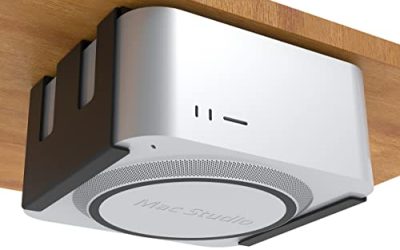
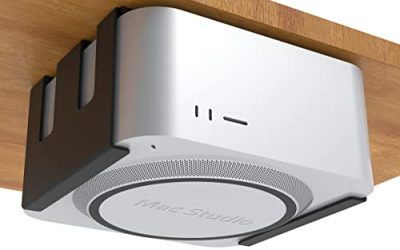
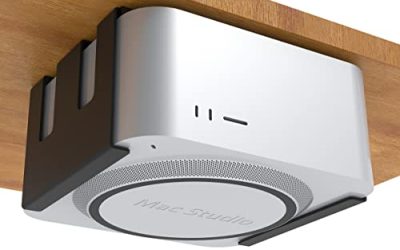
bylitco Mac Studio Desk Mount

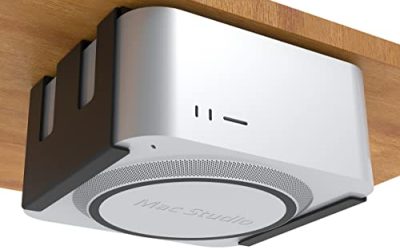
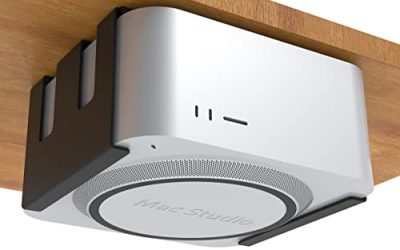
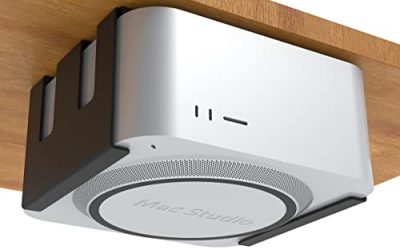
The back row only stays neat when the desk surface has room to spare, and that is where this mount earns its place. It is made for the Mac Studio, and only the Mac Studio: the shape and fit follow that one machine, so it should never be treated as a general mount for other computers. Lifting the machine off the surface clears a patch of desk along the back edge, which is exactly where the string and faille row sits. With the machine raised, the row can run in one straight line without bending around a warm case or a tangle of cables.
In the sort routine, the mount plays a quiet supporting role. Once the machine is up, the full length of the back edge becomes usable: bundles line up in a single file, labels face outward, and the log notebook can rest at the end of the row without sliding under anything.
If your desk holds a different computer, pass this one by and keep the surface clear by other means. For a Mac Studio desk, though, it turns a crowded back edge into a calm, usable line for the row.
Specs
- Product type: Desk mount
- Designed for: Mac Studio
- Compatibility: Mac Studio only
- Material: Not stated
- Color: Not stated
JJC Micro SD Card Case

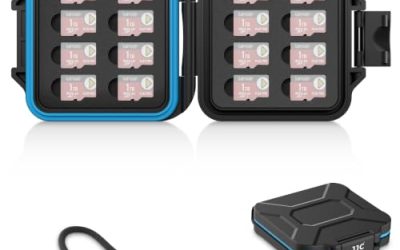
Photos of finished pieces are a quiet help in a sort like this one. A quick picture of a faille piece before it is cut, or of a bundle tied for a specific job, settles many a later question about which piece was meant for what. Those photos usually live on micro SD cards, and loose cards are easy to lose in a desk drawer. This case exists for one job only: storing micro SD cards, keeping them together in a single place instead of scattered among paper clips and spare pens.
In the routine, the case sits at the end of the row beside the log notebook. When a new bundle is labeled, a photo of the label and the piece goes onto a card, and the card goes back into the case. Weeks later, when a length note in the log is unclear, the photo clears it up.
The guide treats the case plainly: it stores cards, and nothing more is claimed for it. Keep it shut, keep it in the same spot, and the photo record of the sort stays as tidy as the row itself.
Specs
- Product type: Card case
- Use: Micro SD card storage
- Capacity: Not stated
- Material: Not stated
- Color: Not stated
feela Pocket Notebooks

The log is the memory of the whole sort, and these pocket notebooks carry it. The pack holds three notebooks, small enough to rest at the end of the row without crowding the bundles. One notebook can hold the main list of bundles with lengths and planned uses, a second can track pieces as they are used up or replaced, and a third can hold quick notes during a sort before they are copied over neatly. Paper suits this job well: it needs no charging, it opens flat beside the row, and a page can be flagged with a folded corner.
Write the log in plain entries: bundle number, length, fabric or string type, and the job it is saved for. When a bundle is used, cross out its line with a single stroke so the old entry stays readable; plans change, and the history helps. Keep the notebooks for logs and lists only. Full passwords and other private details do not belong in a paper notebook on an open desk; those belong in a proper password manager, where they stay guarded.
Kept this way, the notebooks turn a one-time tidy into a running record.
Specs
- Product type: Pocket notebooks
- Pack size: 3-pack
- Use: Logs and lists
- Page count: Not stated
- Paper type: Not stated
Vantasii Canvas Zipper Pouches
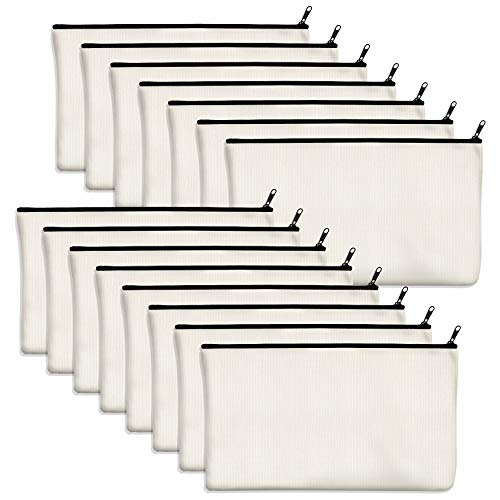
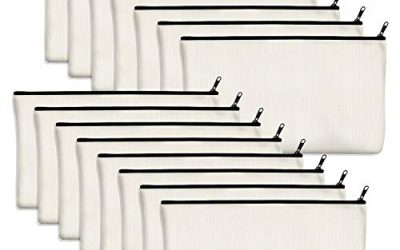
Loose ends are the enemy of a tidy row, and these canvas zipper pouches handle them. The pack holds fifteen pouches, enough to give every group of short string offcuts and small fabric scraps a home of its own. Canvas suits desk work: it is soft against fabric pieces, quiet when handled, and sturdy enough for daily opening and closing. Each pouch takes a paper label slipped inside or tied to the zipper pull, so the contents stay known without opening every pouch in the line.
In the routine, full-length bundles stay out in the row, while cut pieces, spare ties, and faille scraps go into pouches sorted by length. A pouch for very short offcuts, a pouch for mid lengths, and a pouch for trim pieces covers most desks.
One limit deserves plain words: canvas is not a barrier against water, and these pouches should be kept for dry desk goods only. Damp cloths, ink bottles, and anything that might leak belong elsewhere, in containers made for that job. Treated as dry storage for the small and the loose, the pouches keep the row honest and the desk clear.
Specs
- Product type: Zipper pouches
- Pack size: 15-pack
- Material: Canvas
- Closure: Zipper
- Water resistance: Not waterproof
Pilot G2 Pens

Every label in this sort is written by hand, and these gel pens do that writing. Gel ink lays down a smooth, dark line on plain paper tags, so lengths and bundle numbers stay readable months later. The pens write on the small paper labels tied to each bundle, on the tags slipped into pouches, and in the log notebook, giving the whole system one consistent hand. A pen that skips or blots makes labels hard to trust, and a sort lives or dies on whether its labels can be believed at a glance.
Keep two pens with the row: one resting on the log notebook and one clipped to the pouch tray, so a label can be written the moment a bundle is tied rather than later from memory. Write labels in plain block letters, with the length first and the planned use after it, in the same order every time. When a bundle changes purpose, write a fresh label instead of scribbling over the old one; a clean tag keeps the row honest.
Caps back on after use and a spare kept in the drawer keep the paper side of the sort as tidy as the row itself.
Specs
- Product type: Gel pens
- Use: Labels and the sort log
- Ink color: Not stated
- Pack size: Not stated
- Tip size: Not stated
FAQ
How long does the full sort take the first time?
For a desk with a dozen or so bundles and pieces, plan on a quiet half hour. Most of that time goes to measuring and labeling, and it only has to be done once. After that, putting a bundle back in its place takes seconds, and the weekly tidy is a quick pass along the row with the log open beside you.
What belongs in the log for each bundle?
Four plain facts cover nearly every case: a bundle number, its length, whether it is string or faille, and the job it is saved for. Add the date when the bundle was tied if you like. When the bundle is used up, cross the line out with one stroke rather than removing the page, so the record of what was used stays complete.
Can the desk mount hold a different computer?
No. The mount in this guide is made for the Mac Studio only, and its fit follows that machine alone. A different computer needs a mount made for it, or a clear patch of desk found another way. Forcing a fit helps no one and risks a fall, so match the mount to the machine before anything else in the sort is planned around it.
How should damp or leaking items be handled?
Keep them away from the row altogether. The canvas pouches in this guide are for dry goods only, since canvas does not block water. Damp cloths and bottles that might leak belong in containers made for wet storage, on another shelf. The row stays dry, the fabric keeps its ribbed finish, and the paper labels stay readable.
Final verdict
The string and faille row works because each part of the system covers one small job and does it the same way every time. The mount frees the back edge of the desk, though only for a Mac Studio. The card case keeps the photo record of the sort in one place. The notebooks hold the log, the pouches swallow the loose ends, and the gel pens keep every label readable. None of the five is fancy, and the row does not need fancy; it needs labels that can be trusted, a log that stays current, and a clear line along the back of the desk. Set it up once, keep the habits small, and the sort will hold through busy weeks with barely a thought.
Product and ASIN Reference
| Product | ASIN |
|---|---|
| bylitco Mac Studio Desk Mount | B0BL2XT3DJ |
| JJC Micro SD Card Case | B0B76BDXN8 |
| feela Pocket Notebooks | B0BG4MFCZC |
| Vantasii Canvas Zipper Pouches | B08CMQ6QG4 |
| Pilot G2 Pens | B001AQPQBQ |
More from Amazon
Programs that pair well with the guide above. Offers and eligibility are set by Amazon and may change.
Free shipping on eligible items, Prime Video and more. Eligible new members can start with a free trial.
Start a Prime free trialAd-free music streaming. Eligible new subscribers can start with a free trial.
Try Music Unlimited freeA Prime membership for ages 18-24 with a trial period. Eligibility is set by Amazon.
See Prime for Young AdultsAudiobooks and podcasts to listen to on the go. Eligible new members can start with a free trial.
Try Audible freeAs an Amazon Associate we earn from qualifying purchases.
Write Your Review
No reviews yet. Be the first to share your experience!